Grade 3 · Unit 5: Using units of measurement
Calendars, timelines and timetables
Plan time like a pro.
Story time: The school trip plan
Class 3 is going to the zoo on 12 March. Today is 26 February. “How many days to wait?” asks Tasin. Miss Laila points to the calendar. “Count the days left in February, then the days in March.” 2 days left in February, then 12 days in March: 14 days – exactly 2 weeks!
Planning ahead
Families plan weddings, trips and exams. We use calendars, timelines and timetables. Each one shows time in a different way.
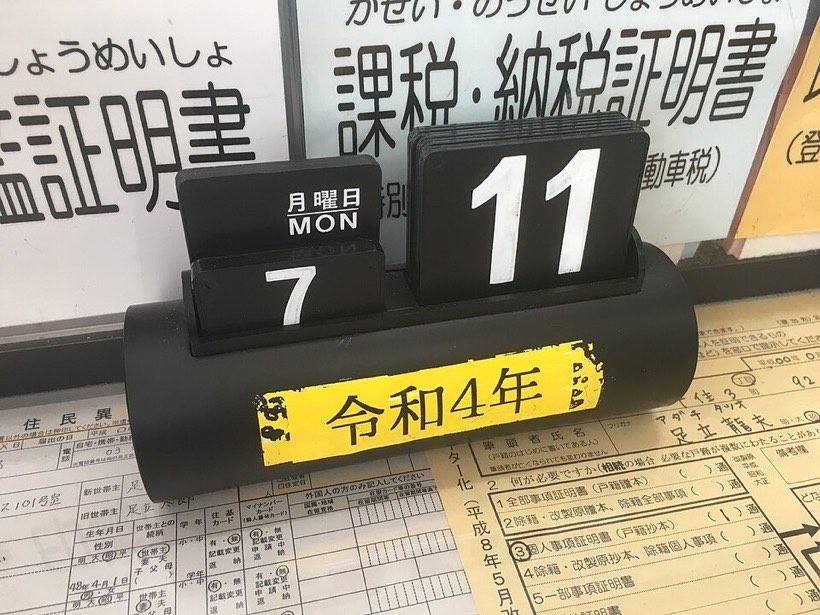
A desk calendar shows the date.
Days between dates
Count the days from one date to another: that is the interval. Moving down one row adds 7 days. 1 March to 12 March is 11 days.
From 1 March to 12 March is 11 days.
Worked example
- How many days from 26 February to 12 March (not a leap year)?
- February has 28 days: 26 → 28 is 2 days.
- Then 12 more days in March: 2 + 12 = 14 days.
Units of time
Time does not count in tens! 2 hours = 120 minutes. 3 days = 72 hours. Choose a sensible unit: a film in hours, a race in seconds.
Converting units of time.
Timelines
A timeline shows events in order on a scale. Each step on this one is 1 year. Use timelines for history, science and your own life.
A timeline of a learner’s life.
Make a timetable
A timetable lists times and activities. Breakfast lasts 30 minutes: 7:30 to 8:00. Make a timetable for your weekend.
A made-up daily timetable.
Your turn: School is from 8:00 a.m. to 1:30 p.m. How long is that?
Key words
- interval
- The time between two moments.
- timeline
- A line showing events in order of time.
- timetable
- A table showing when things happen.
- century
- 100 years.
Meet the mathematician: Al-Biruni
973–1048 · Khwarazm (now Uzbekistan)
Al-Biruni was a great scientist and mathematician. He studied how calendars from many lands worked – Persian, Jewish, Greek and Indian calendars. He travelled to India and wrote a famous book about its science and calendars. He used maths to compare and convert dates between them.
Activity: Class calendar
You need: a calendar, paper
- Mark 3 events this term.
- Find the number of days between them.
- Make a timeline of the term.
- Make a timetable for one school day.
Think and talk
- How many days until your birthday?
- Why does time not count in tens?
- What would you put on a timeline of Bangladesh?
What I learnt
- I can find intervals with a calendar.
- I can convert units of time.
- I can read and make timelines and timetables.