Grade 2 · Unit 5: Using units of measurement
Metres and centimetres
Standard units mean everyone gets the same answer.
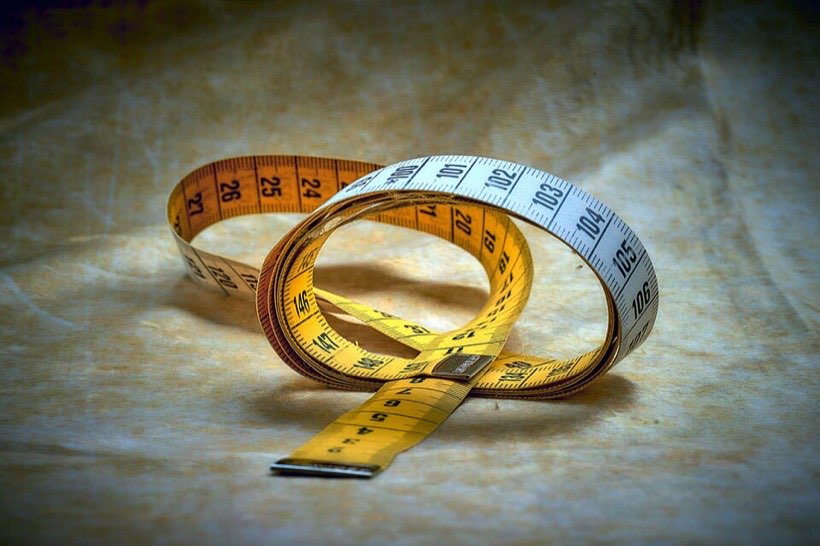
Measuring tape
A tailor measures you before sewing a shirt. She uses standard units: centimetres. Every tape measure has the same units.
Tailors use a tape measure to take measurements.
Centimetres
Line up one end with 0 on the ruler. Read the number at the other end. The crayon is 9 centimetres (9 cm) long.
Start at 0. The crayon is 9 cm long.
Metres
A metre is 100 centimetres. Use metres for long things: rooms, roads and rope. A big stride is about 1 metre.
Metres measure longer things.
Choose the unit
Small things: centimetres. Large things: metres. Would you measure a rickshaw in cm or m?
Use cm for small things and m for big things.
Did you know? A rickshaw is about 2 metres long – that is 200 centimetres.
Drawing lines
Put the ruler flat. Start the pencil at 0. Draw along the edge to the number you need. Check: measure your line again.
A line 12 cm long, drawn from 0.
Key words
- centimetre
- A small unit of length (cm). About the width of a fingertip.
- metre
- A bigger unit of length (m). 1 m = 100 cm.
- ruler
- A tool for measuring length.
- standard unit
- A unit that is the same everywhere.
Activity: Metre hunt
You need: a metre stick, a 30 cm ruler, record sheet
- Find 3 things you think are shorter than 1 m and 3 that are longer.
- Check with the metre stick.
- Measure 3 small things in cm.
- Record your estimates and measurements.
Think and talk
- Why do we need standard units?
- Which unit would you use for your height?
- What is about 1 metre long in our classroom?
What I learnt
- I can measure in centimetres with a ruler.
- I know 1 m = 100 cm.
- I can choose cm or m.