Grade 5 · Unit 3: States of matter
Investigating evaporation from a solution
Evaporate the water and the dissolved solid is left behind.
Solutions
When salt dissolves in water, it makes a solution. The salt is the solute. The water is the solvent. The salt is still there, even though you cannot see it.
Sugar, salt and instant coffee dissolve in water. Sand, chalk and rice do not dissolve – they are insoluble.
Getting the salt back
If you evaporate the water from salty water, the salt is left behind. Heating speeds this up, but warm sunshine works too. This is a way to separate a dissolved solid from a liquid.
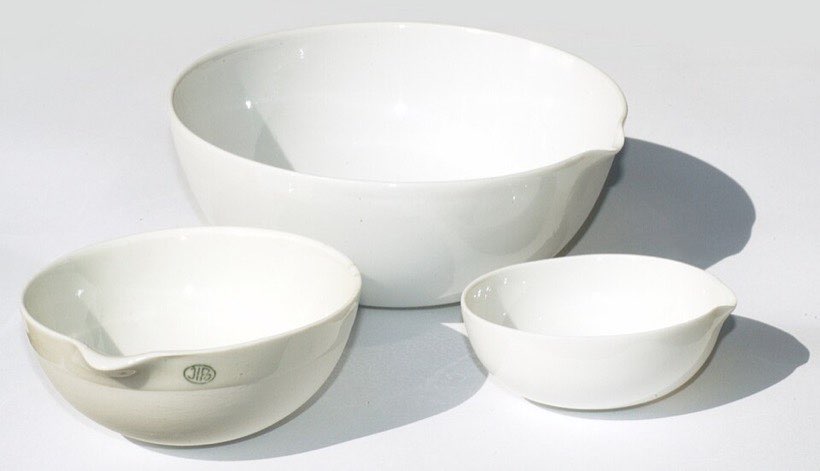
In a science lesson, an evaporating dish and a gentle heat are used. The last of the water should evaporate slowly so the salt does not spit.
Growing crystals
If the water evaporates slowly, the salt forms beautiful crystals. Each crystal has flat sides and sharp edges. Sugar solutions make crystals too.
Slow evaporation gives bigger crystals. Fast heating gives tiny crystals or a white crust.
Is the water lost?
The water vapour escapes into the air. If you hold a cold lid above, the vapour condenses and you can collect pure water.
This process of evaporating and then condensing is called distillation. It can make pure water from salty or dirty water.
What I learnt
- I know that evaporation can separate a dissolved solid from a liquid.
- I can grow and observe crystals.