Grade 5 · Unit 1: Investigating plant growth
What do plants need to grow?
Light, water, air, warmth and minerals.
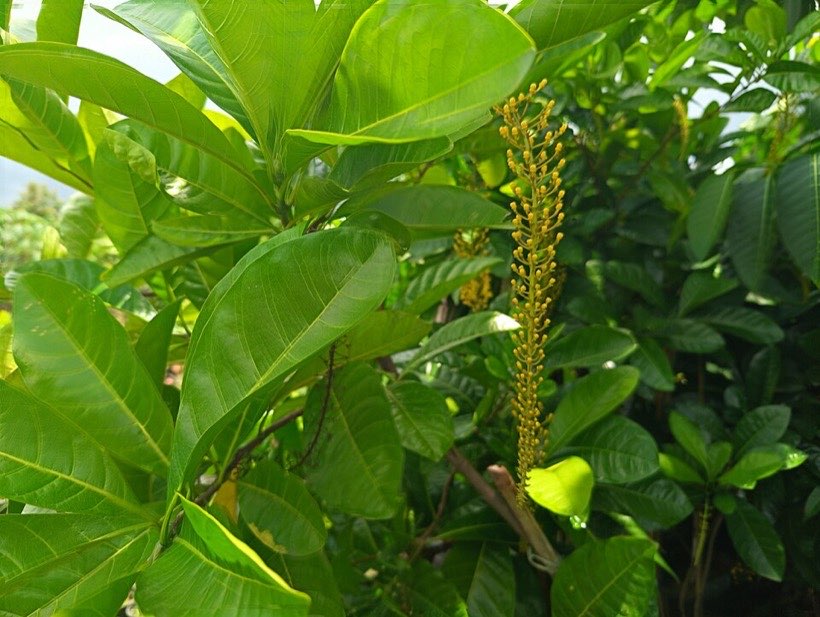
Growing well
Once a seed has germinated, the plant needs more things to grow well. It needs light, water, air, warmth and minerals. A healthy plant has a strong stem and green leaves.
Farmers check their crops for signs of poor health: yellow leaves can mean too little nitrogen, and purple leaves can mean too little phosphorus.
Light and air
Plants use light to make their own food in their leaves. They also need carbon dioxide, a gas from the air. Without light, plants become pale, weak and thin.
In a forest, tall trees catch most of the light. Plants on the forest floor often have very large, thin leaves to catch what is left.
Water and minerals
Roots take in water and minerals from the soil. Without enough minerals, leaves can turn yellow and the plant grows slowly. Farmers add fertiliser or manure to give crops more minerals.
Some farms grow plants without soil, with their roots in water that has minerals added. This is called hydroponics.
Measuring growth
To compare plants, measure their height every few days. Always measure from the same point – the soil – to the tip. A line graph shows how the plant grows over time.
Scientists measure many plants and work out the average height, because one plant might grow unusually fast or slow.
What I learnt
- I know what plants need to grow well.
- I can measure plant growth and draw a line graph.