Grade 4 · Unit 7: Earth and its habitats
Earthquakes
When the crust suddenly moves, the ground shakes.
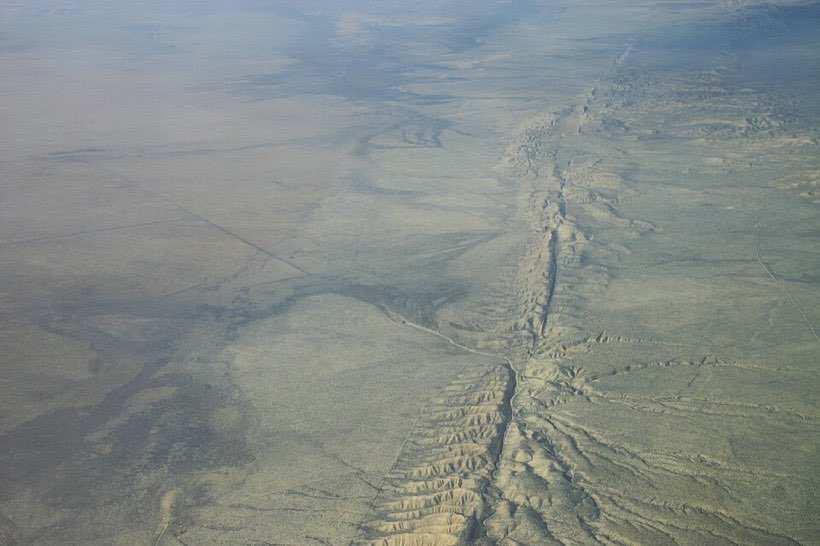
What causes earthquakes?
The Earth’s crust is broken into huge pieces called plates. The plates move very slowly – about as fast as your fingernails grow. Sometimes they get stuck, then suddenly slip. This sends shaking waves through the ground: an earthquake.
The Indian plate is slowly pushing into the Eurasian plate. This is what built the Himalayas and why the region has earthquakes.
Earthquake damage
Strong earthquakes can crack roads, damage buildings and cause landslides. Scientists measure earthquakes with a seismometer. Bangladesh is near the meeting point of plates, so earthquakes can happen here.
Earthquakes are measured on a scale. Each step up the scale means the shaking is about ten times stronger.
Tsunamis
An earthquake under the sea can push up a giant wave called a tsunami. In 2004, a huge earthquake near Indonesia caused tsunamis that reached many countries around the Indian Ocean. Warning systems now help coastal people to move to high ground.
Tsunami waves can travel across an ocean as fast as a jet plane. In deep water they are small, but they grow huge near the coast.
Staying safe
If you feel an earthquake indoors: drop to the floor, take cover under a strong table, and hold on. Stay away from windows and heavy things that could fall. In some countries, laws say buildings must be built to stand up to earthquakes.
People have noticed that some animals, like dogs and birds, behave strangely before an earthquake. Scientists think they may sense small vibrations that people cannot feel.
What I learnt
- I can explain what causes earthquakes and tsunamis.
- I know how to stay safe in an earthquake.