Grade 4 · Unit 7: Earth and its habitats
Different habitats
Every animal is suited to its home.
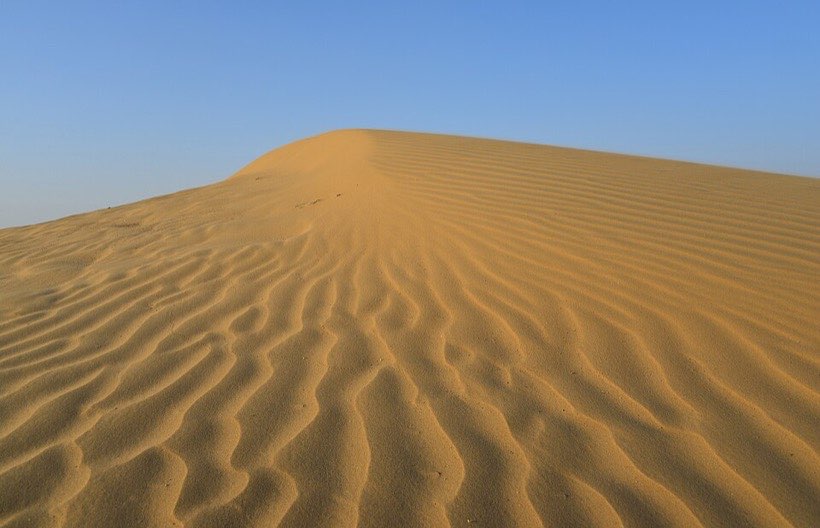
Many habitats
A habitat is where a plant or animal lives. Deserts, rainforests, grasslands, oceans, rivers and icy polar lands are all habitats. Each has its own climate, food and dangers.
The same kind of habitat can be found in different countries. Mangroves grow in Bangladesh, Indonesia, Brazil and Australia.
The giraffe
Giraffes live in hot, dry African grasslands with tall, thorny trees. Their long necks reach leaves that other animals cannot. Their long, tough tongues and thick-skinned mouths are not hurt by the thorns. These are adaptations.
A giraffe’s heart weighs about 11 kg, and its tongue is about half a metre long.
Birds’ feet
Birds’ feet are suited to how they live. Ducks have webbed feet for swimming. Eagles have sharp, curved claws (talons) for catching prey. Perching birds have toes that grip branches. Ostriches have strong feet for running.
Herons and storks have long, thin legs for wading in water and long beaks for catching fish.
Bangladesh habitats
Mudskippers in the Sundarbans are fish that can breathe air and skip across the mud. Fishing cats have partly webbed feet and catch fish in wetlands. Camels in deserts store fat in their humps and can go days without water.
Sundarbans tigers are good swimmers and can drink slightly salty water – adaptations to life in a mangrove forest.
What I learnt
- I know that animals have adaptations that suit them to their habitats.
- I can explain how features help animals survive.