Grade 4 · Unit 3: Solids, liquids and gases
Melting in different solids
Does chocolate melt before ice? Test it fairly.
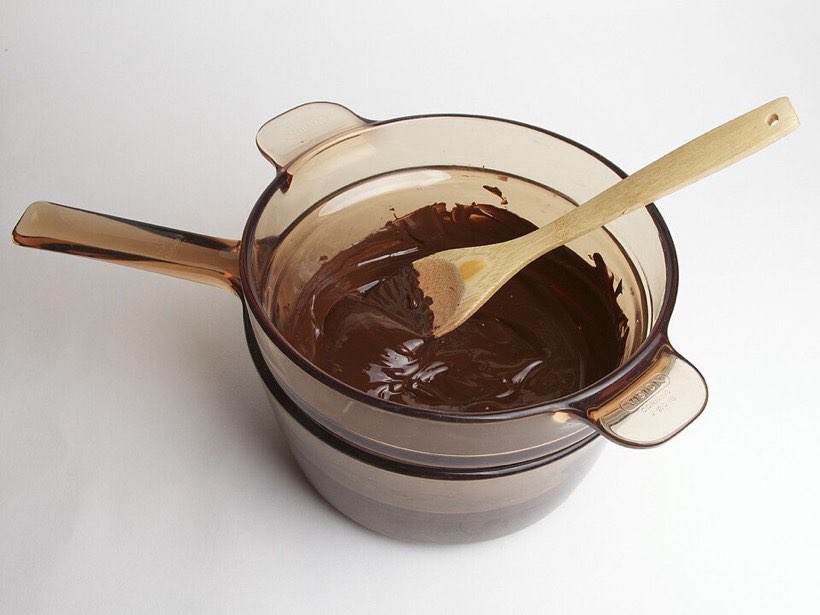
Different solids melt differently
Some solids melt easily. Others need to be very hot. Butter and chocolate melt in your warm hand. Metals and rocks need huge temperatures to melt.
Engineers choose materials that will not melt when they get hot. Saucepans are made of metal, but their handles are often plastic that would melt in the flame.
Planning a fair test
To investigate which solid melts fastest, change only one variable: the type of solid. Keep the size of each piece, the dish and the place the same. Measure how long each one takes to melt.
If one piece were bigger than the others, it would take longer to melt – so you would not know whether the size or the material made the difference.
Measuring time
Use a stopwatch to time the melting. Check every minute and record what you see. Repeat the test to make sure your results are reliable.
Reaction time matters when timing. If two people time the same test and get different results, take the average of their times.
Melting in the kitchen
Cooks melt butter, ghee and sugar to make sweets like halwa and caramel. Melting the sugar too long makes it burn – a change that cannot be reversed.
Sweet-makers in Bangladesh melt sugar to make sugar syrup for rasgulla and jalebi. If they heat it too long, it turns brown and then burns.
What I learnt
- I know that different solids melt at different temperatures.
- I can plan and carry out a fair test.