Grade 4 · Unit 3: Solids, liquids and gases
Melting, freezing and boiling
Heating and cooling change the state of matter.
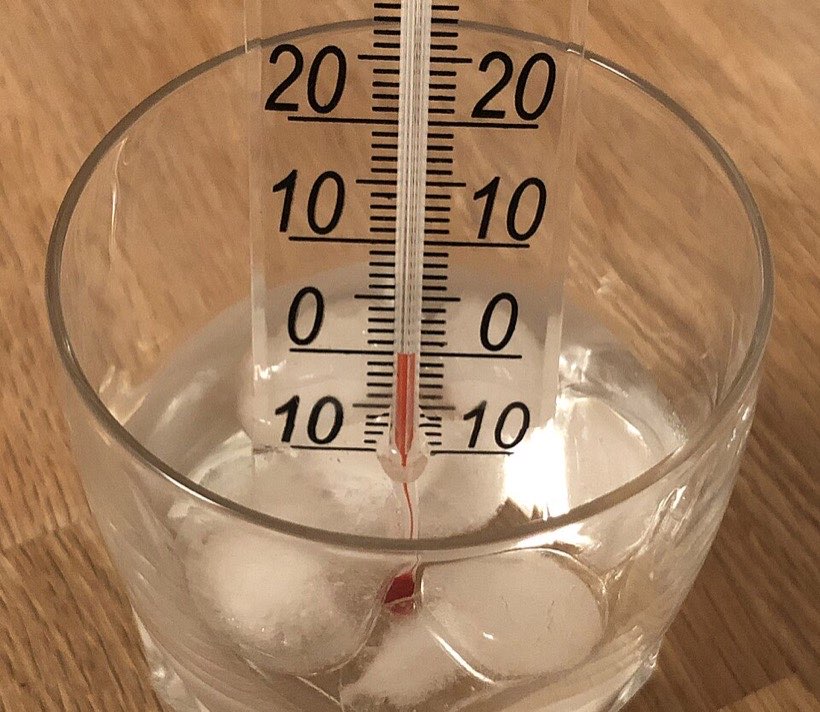
Changing state
Matter can change from one state to another. Heating or cooling causes the change. These changes are reversible: they can be undone.
Changes of state are physical changes: the substance is still the same substance. Ice, water and steam are all made of the same water particles.
Melting and freezing
Melting is when a solid turns into a liquid. Ice melts into water. Freezing is the opposite. Water freezes into ice when it is cooled to 0 °C. Ghee, chocolate and candle wax also melt and freeze.
The freezing compartment of a fridge is about –18 °C, far below 0 °C, so water freezes quickly there.
Boiling
When water is heated strongly, it bubbles and turns into steam. This is boiling. Water boils at 100 °C. Steam is a gas. It is invisible – the white cloud you see is tiny drops of water.
When water boils, the bubbles are full of water vapour, not air. That is why the water level goes down if you boil it for a long time.
Condensing
When steam or water vapour cools, it turns back into liquid water. This is condensing. Drops form on a cold glass of water or on a bathroom mirror after a hot shower. Clouds form when water vapour high in the sky condenses.
On cold winter mornings, condensation forms on the inside of bus windows from the warm, moist breath of the passengers.
What I learnt
- I can describe melting, freezing, boiling and condensing.
- I know that these changes are reversible.