Grade 4 · Unit 3: Solids, liquids and gases
How do solids, liquids and gases behave?
Pour it, squash it, spread it – testing the states.
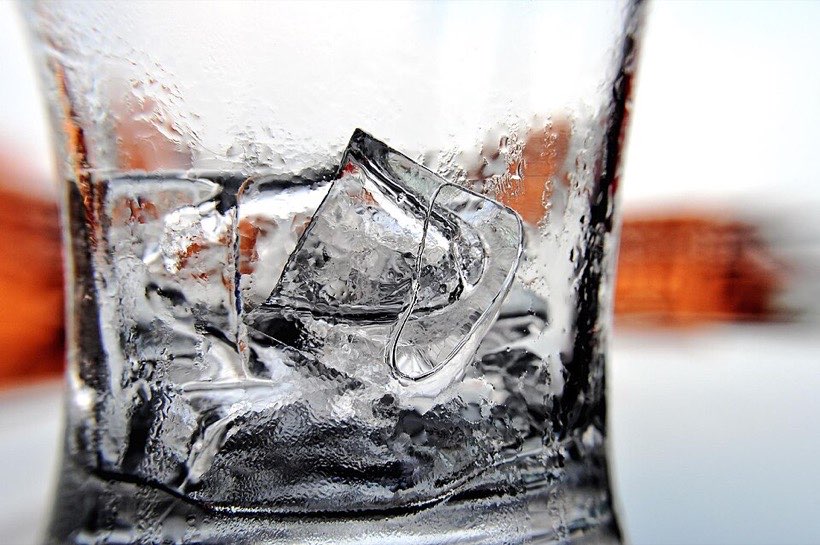
Shape and volume
A solid has a fixed shape and a fixed volume. A liquid has a fixed volume, but takes the shape of its container. A gas has no fixed shape or volume. It fills its container.
Scientists sometimes describe a material using all its properties: shape, volume, how it flows and whether it can be squashed.
Can you squash it?
Block the end of a syringe full of air and push. The air can be squashed – it can be compressed. Try it with water. Water cannot be squashed. Gas particles are far apart, so they can be pushed closer together.
Bicycle and car tyres are filled with compressed air. Squashed air makes the tyre firm and bouncy.
Runny and thick liquids
All liquids flow, but some flow faster than others. Water and oil flow quickly. Honey and molasses (gur) flow slowly. Warming a thick liquid makes it flow faster.
Molasses (gur) is runnier when it is warm. That is why sweet-makers warm it before pouring it into moulds.
Gases spread
Gases spread out in all directions. Open a bottle of perfume and soon the whole room smells. This spreading is called diffusion.
Diffusion is faster in warm air because the particles move faster. You smell food cooking sooner in a hot kitchen.
What I learnt
- I can compare the shape, volume and flow of solids, liquids and gases.
- I know that gases can be compressed.