Grade 4 · Unit 2: Living things and environments
Identifying invertebrates
No backbone? No problem!
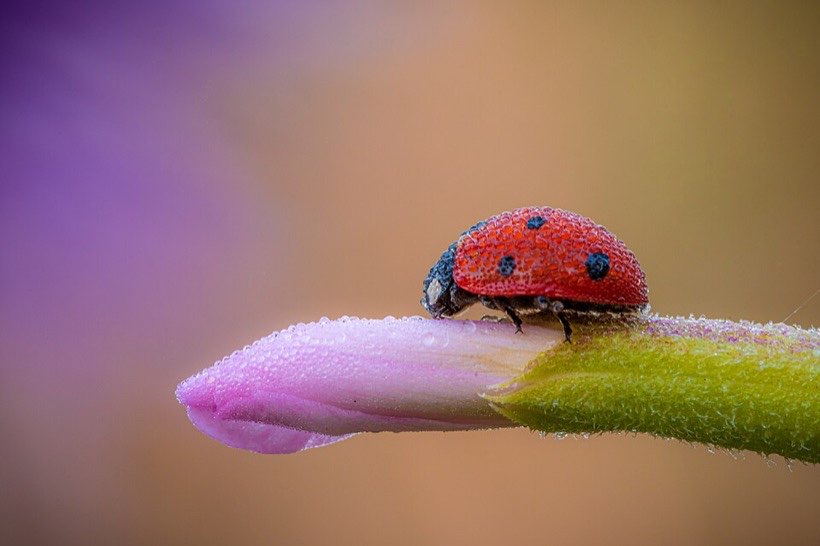
Most animals have no backbone
Animals without a backbone are invertebrates. Almost all the animals on Earth are invertebrates! They include insects, spiders, snails, worms, crabs and jellyfish.
Scientists think more than nine out of every ten kinds of animal are invertebrates. Many have not even been named yet.
Insects and spiders
Insects have six legs and three body parts: head, thorax and abdomen. Many have wings. Arachnids, such as spiders and scorpions, have eight legs and two body parts. Counting legs is a quick way to tell them apart.
Spiders are not insects, but they eat lots of insects. A single spider can catch hundreds of flies and mosquitoes in a year.
Snails, worms and more
Molluscs have soft bodies. Many, like snails, have a shell. Earthworms have long, soft bodies made of many segments. Centipedes and millipedes have many segments and lots of legs.
Centipedes have one pair of legs on each segment and hunt other animals. Millipedes have two pairs on each segment and eat dead plants.
Why invertebrates matter
Bees and butterflies pollinate flowers, so plants can make fruits and seeds. Worms and woodlice break down dead leaves and make soil richer. Many birds, frogs and fish eat invertebrates.
Mustard fields in Bangladesh turn bright yellow in winter. Farmers often keep bee boxes nearby: the bees pollinate the mustard and make honey.
What I learnt
- I know that invertebrates have no backbone.
- I can sort invertebrates into groups using their features.