Grade 4 · Unit 2: Living things and environments
How we affect the environment
People can harm habitats – and protect them.
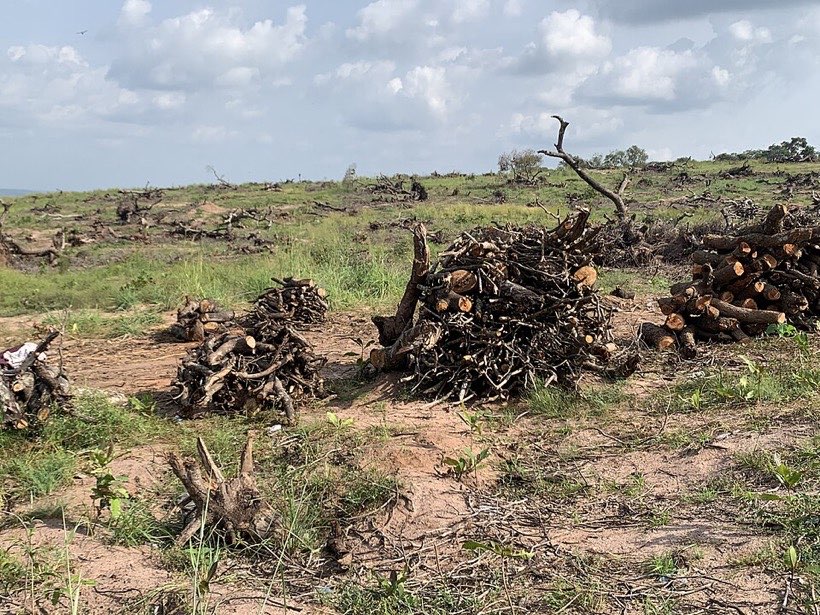
Losing habitats
People need space for homes, farms, roads and factories. Cutting down large areas of forest is called deforestation. When a habitat is destroyed, the animals and plants that lived there lose their home.
Forests are cut down for wood and to make space for farms and towns.
Bangladesh loses some of its hill forests to farming and building. When forests are cleared on slopes, heavy rain can wash the soil away and cause landslides.
Pollution
Pollution from factories, cars and rubbish harms living things. Dirty water kills fish and makes people ill. Plastic litter can trap or choke animals.
Waste water from factories can pollute rivers.
Dyes and chemicals from some factories have polluted rivers near Dhaka. New water-treatment plants clean the waste water before it reaches the river.
Animals in danger
When habitats shrink, some animals become endangered. Bengal tigers in the Sundarbans and Asian elephants in the hills are at risk. If the last ones die, they are gone for ever.
The Bengal tiger is endangered. Only a few hundred live in the wild.
Asian elephants, Ganges river dolphins and hilsa fish are also at risk. Protecting their habitats protects many other living things too.
Caring for nature
Conservation means protecting nature. Bangladesh protects places like the Sundarbans and Lawachara National Park. We can all help by planting trees, saving water and putting litter in bins.
Planting trees helps to bring back habitats.
In Bangladesh, coastal villages plant mangrove trees along the shore. The trees protect homes from storm waves and become new homes for wildlife.
Did you know? Mangrove trees in the Sundarbans protect the coast from storm waves and give homes to tigers, deer and crocodiles.
Key words
- environment
- The surroundings of a living thing.
- deforestation
- Cutting down large areas of forest.
- pollution
- Harmful substances in the air, water or land.
- endangered
- At risk of dying out completely.
- conservation
- Protecting nature and wildlife.
Activity: Our school environment
You need: a school map, a clipboard, coloured pencils
- Walk around the school. Mark places where people help nature (gardens, trees, bins) in green.
- Mark places where nature is harmed (litter, bare ground, dripping taps) in red.
- Choose one red place. Plan a project to improve it.
- Present your plan to the class.
Think and talk
- How do people in your area affect the environment? Good and bad?
- Why is it important to protect the Sundarbans?
- What could your class do to help wildlife?
What I learnt
- I can describe ways people harm the environment.
- I can describe ways people protect the environment.