Grade 4 · Unit 2: Living things and environments
Identification keys
Use yes/no questions to name a mystery animal.
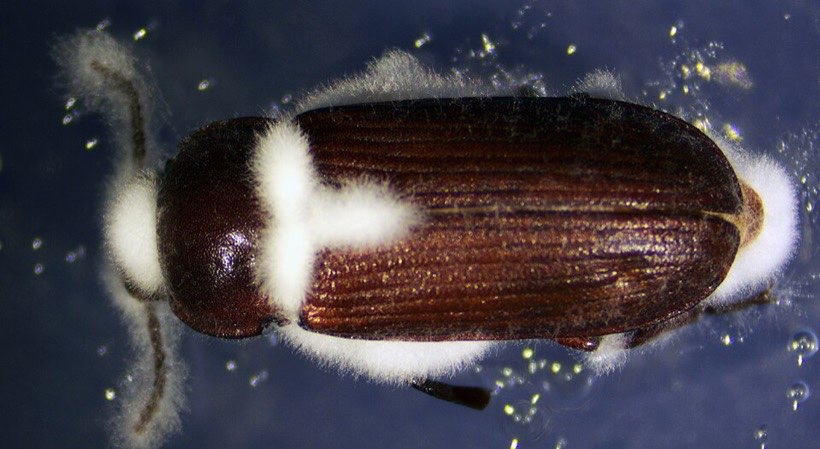
What is it?
When scientists find a living thing they do not know, they need to identify it. They use a key. A key asks questions about the features you can see. Each answer leads you to the next question, until you find the name.
Field guides are books or apps full of pictures and keys. Bird-watchers in Bangladesh use them to identify more than 700 kinds of bird.
Branching keys
A branching key looks like a tree. Each question has two answers, yes or no, and each answer is a branch. Follow the branches until you reach a name.
The first question in a key should split the group roughly in half. A question such as “Does it have legs?” works well for a mixed group of animals.
Numbered keys
A numbered key is written as a list. 1. Does it have wings? Yes – go to 2. No – go to 3. Numbered keys are useful when there are lots of living things to identify.
Numbered keys save space. Doctors, gardeners and farmers use keys like these to identify plants, pests and diseases.
Good questions
Good key questions are about features everyone can see, like the number of legs. Bad questions are about opinions, like “Is it pretty?” or “Is it big?” Each question should split the group into two smaller groups.
“Is it small?” is a poor question because people disagree about what small means. “Is it shorter than 1 cm?” is better because it can be measured.
What I learnt
- I can use branching and numbered keys to identify living things.
- I can write good questions for a key.