Grade 4 · Unit 2: Living things and environments
Animals in local habitats
Your school grounds are full of hidden habitats.
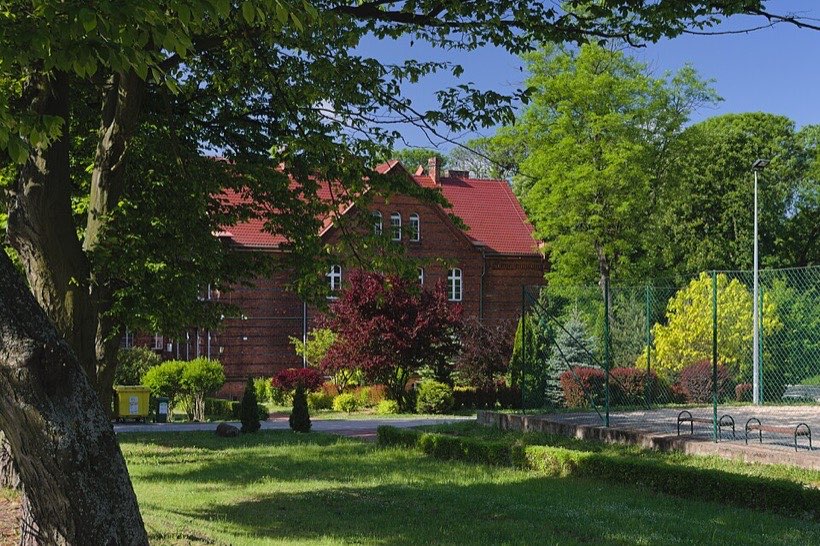
Habitats near you
A local habitat is one near your home or school. A tree, a pond, a patch of grass and a wall are all different habitats. Each one is home to different plants and animals.
Even a single mango tree is a habitat. Birds nest in its branches, ants run along its bark, and insects live among its leaves and fallen fruit.
Tiny habitats
A microhabitat is a very small habitat. Under a stone, inside a rotting log or among dead leaves are microhabitats. Woodlice, beetles, worms and centipedes live there.
Woodlice are not insects – they are related to crabs and shrimps. They breathe through gills, so they must stay damp.
Doing a survey
Scientists do a survey to find out what lives in a habitat. They place a quadrat on the ground and record everything inside it. They repeat this in different places and compare the results.
Scientists place quadrats at random, so they do not choose only the most interesting spots. This makes the survey fair.
Animals in Bangladesh towns
Many animals live alongside us in towns and villages. House geckos catch insects on walls. Mynas and crows look for food scraps. Squirrels live in trees, and frogs live near ponds and drains.
Geckos help us by eating mosquitoes and other insects. Some can drop their tail to escape a predator and later grow a new one.
What I learnt
- I can identify local habitats and microhabitats.
- I can carry out a simple survey using a quadrat.