Grade 3 · Unit 3: Living things
Sorting humans
We are all humans – but no two people are exactly the same.
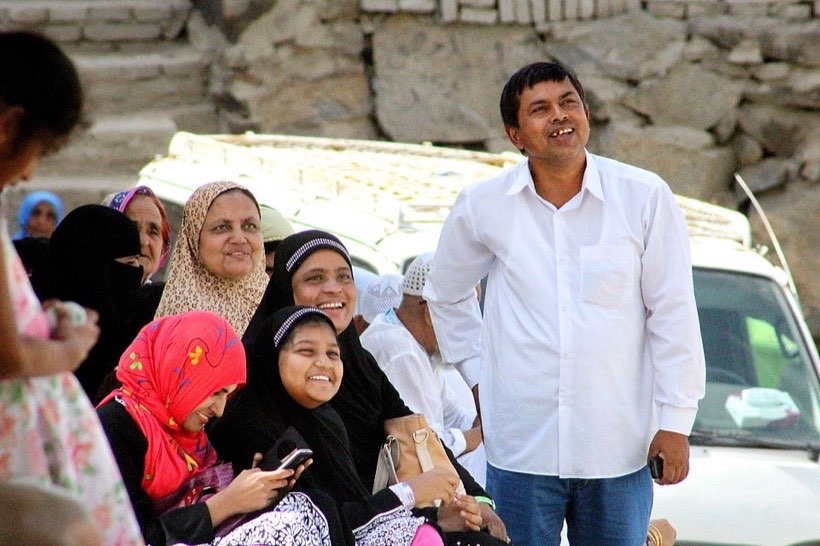
All humans
All people are humans. We are similar in many ways: we all have a head, two arms, two legs and the same organs inside. We all need food, water, air and sleep.
People of all ages are humans with the same body parts.
Ways we differ
People are also different from each other. We have different heights, eye colours, hair and hand sizes. Even twins have different fingerprints.
Children in one class can be very different heights.
Some differences come from our parents, like eye colour. Others come from how we live, like how strong our muscles are.
Collecting data
Scientists collect data to compare people. You could count how many people in your class have brown, black or other colour eyes. Show your data in a tally chart and a bar chart.
A tally chart helps to count how many people have each eye colour.
A bar chart makes it easy to see which group is biggest. Always label the axes and give the chart a title.
Sorting with questions
We can sort people using yes/no questions. Can you roll your tongue? Is your handspan more than 15 cm? Each question splits the class into two groups.
Can you roll your tongue? Some people can and some cannot.
Did you know? No two people have the same fingerprints – not even identical twins.
Key words
- similar
- Nearly the same.
- different
- Not the same.
- compare
- Look at how things are the same and how they are different.
- data
- Facts and numbers collected in an investigation.
- bar chart
- A graph that uses bars to show and compare amounts.
Activity: Handspan survey
You need: a ruler, paper, squared paper for a bar chart
- Spread your hand wide on paper. Measure from the tip of your thumb to the tip of your little finger.
- Record everyone’s handspan in a class table.
- Group the results (for example 13–14 cm, 15–16 cm, 17–18 cm).
- Draw a bar chart. Which group is biggest?
- Do taller people have bigger handspans? Look at your data.
Think and talk
- How are you similar to your best friend? How are you different?
- Which differences come from your parents?
- Why is it good that people are different?
What I learnt
- I know that humans are similar and different in many ways.
- I can collect data and show it in a bar chart.