Grade 3 · Unit 3: Living things
Sorting living things
Scientists sort millions of living things into groups.
Why sort?
There are millions of different living things on Earth. Scientists classify them into groups to study them. Living things in a group share characteristics.
Animal groups
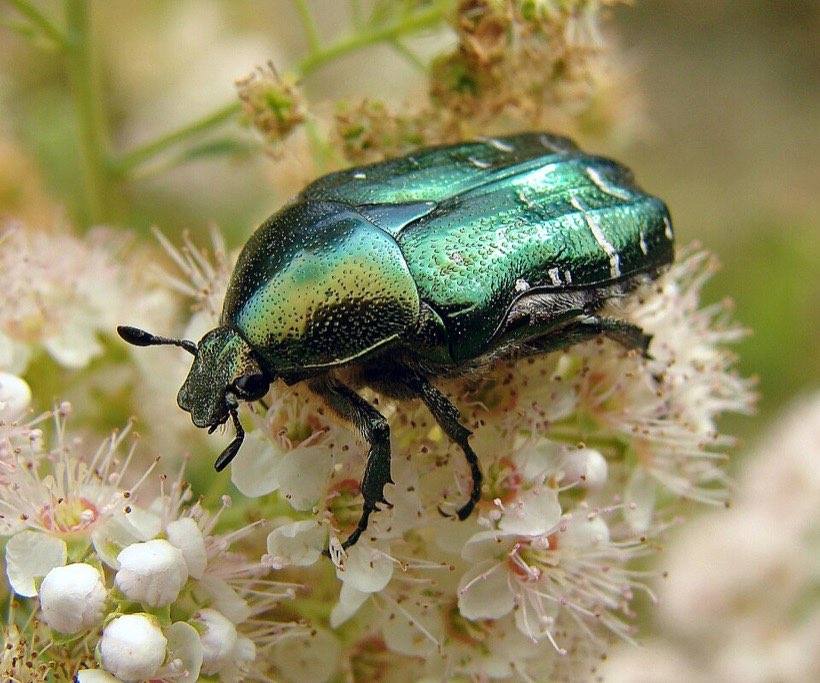
Mammals have fur or hair and feed their babies milk. Cows, bats and humans are mammals. Birds have feathers and wings and lay eggs. Insects have six legs and three body parts, like ants and butterflies.
Fish live in water and have fins and scales. Reptiles, like snakes and crocodiles, have dry scaly skin. Amphibians, like frogs, live on land and in water.
Plant groups
Plants can be sorted too. Flowering plants make flowers and seeds, like mango trees and rice. Ferns and mosses do not have flowers.
Using a key
A key uses yes/no questions to sort living things. Does it have six legs? Yes → insect. No → ask another question. Each question splits the group until only one living thing is left.
What I learnt
- I can sort living things into groups using their characteristics.
- I can use and make a simple key.