Grade 3 · Unit 3: Living things
Movement and reproduction
How do living things move – and make more living things?
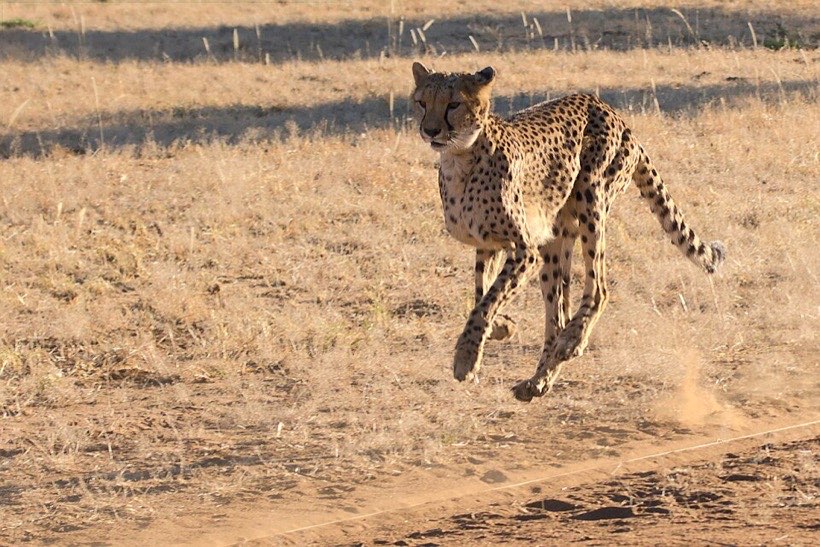
Animals on the move
Animals move to find food, escape danger and find a mate. Fish swim with fins. Birds fly with wings. We walk with legs. Our skeleton and muscles work together to make us move.
Muscles can only pull, not push. That is why muscles work in pairs: one pulls a bone one way, the other pulls it back.
Plants move too
Plants move, but slowly. Their leaves turn towards the light, and their roots grow down. The leaves of lojjaboti fold up when you touch them!
Sunflower heads follow the Sun across the sky when they are young. Climbing plants like beans wrap their stems around sticks.
Making new life
All living things reproduce. Birds, fish and frogs lay eggs. Cats, cows and humans give birth to babies. Plants make seeds that grow into new plants.
The young of a living thing are called its offspring. A frog can lay thousands of eggs, but an elephant has just one calf every few years.
Why reproduction matters
Every living thing dies in the end. If living things did not reproduce, they would all disappear. Reproduction keeps each kind of living thing going.
What I learnt
- I know that animals and plants move.
- I know that muscles and bones work together.
- I know that all living things reproduce.