Grade 2 · Unit 1: Going outside
Caring for our environment
Small actions can keep our world clean.
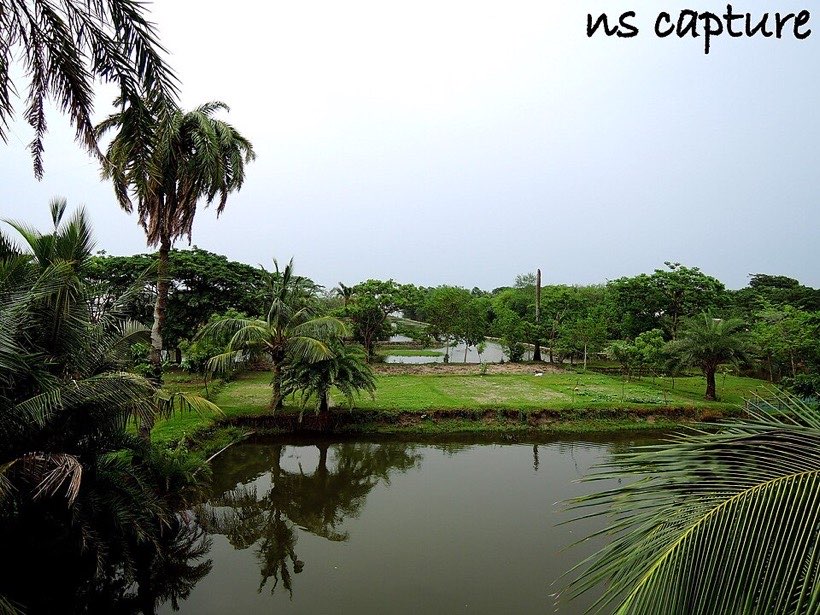
Our shared home
People, plants and animals share the environment. What we do can help it or harm it.
A village pond with trees. People, plants and animals all share this place.
Ponds give us water for fish, ducks and crops. Keeping them clean helps everyone.
Litter harms living things
Litter makes places dirty and ugly. Plastic bags can block drains and cause floods. Animals can eat plastic and get sick.
Plastic rubbish in a river. It harms fish and blocks the water.
Plastic does not rot away. It can stay in rivers and seas for hundreds of years.
Dirty air and water
Smoke from cars and factories makes pollution. Dirty water in rivers harms fish and people.
Smoke from chimneys makes the air dirty.
Dirty air can make people cough and feel ill. Trees help by cleaning the air.
Reduce, reuse, recycle
Reduce: take a cloth bag to the market. Reuse: use a jar again to keep pencils. Recycle: old paper can become new paper.
Before you throw something away, ask: can I use less, use it again or recycle it?
Did you know? Bangladesh was one of the first countries in the world to ban thin plastic shopping bags, in 2002.
Key words
- litter
- Rubbish dropped in the wrong place.
- pollution
- Harmful things in the air, water or land.
- recycle
- Make old things into new things.
- reuse
- Use something again instead of throwing it away.
- reduce
- Use less of something.
Activity: Litter survey and clean-up
You need: gloves, two bags (recycle / other rubbish), a tally chart
- Predict: which kind of litter will you find most?
- Walk around the school field with your teacher.
- Pick up litter with gloves. Make a tally of each kind: paper, plastic, cans, food.
- Sort it into the recycle bag or the other bag.
- Which kind was most common? Make a poster to stop it.
Think and talk
- Where have you seen litter? How did it make you feel?
- What could your class do to keep the school clean?
- What can you reuse at home?
What I learnt
- I know that litter and pollution harm the environment.
- I can say how to reduce, reuse and recycle.
- I know how people can care for the environment.