Grade 3 · Unit 1: Number and place value
Odd and even
Can it be split into pairs?
Story time: The rickshaw seats
Twelve friends wanted to go to the fair by rickshaw. Each rickshaw seats two. “Six rickshaws, and nobody sits alone!” said Mitu. Then one more friend came running. Now there were thirteen. “Oh no,” laughed Mitu, “someone will have a rickshaw all to themselves!”
Partners
Can everyone in the class find a partner? If the number is even, yes. If it is odd, one person is left over.
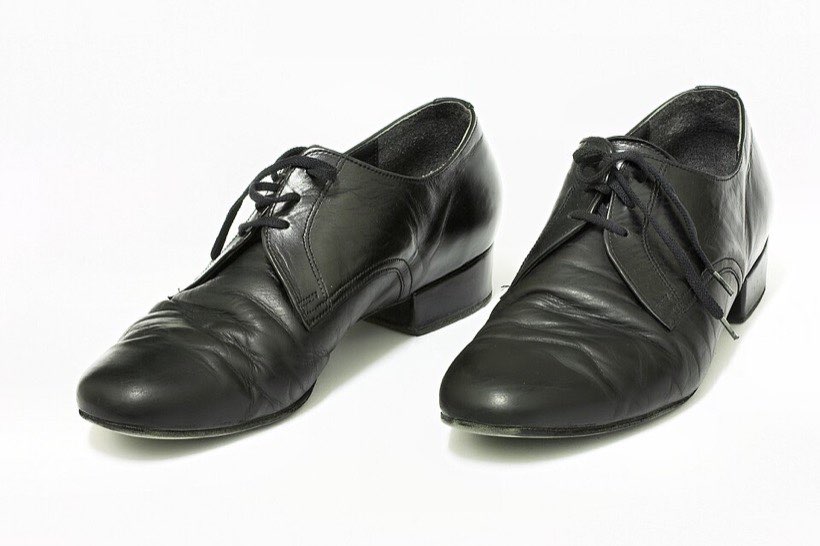
Shoes come in pairs.
Pairs or one left over?
8 makes 4 pairs. 8 is even. 9 would make 4 pairs and 1 left over. 9 is odd. Every even number can be halved exactly.
8 makes 4 pairs with none left over.
Your turn: Can 15 children all sit in pairs?
Look at the ones digit
Only the ones digit decides if a number is odd or even. 3456 is even because 6 is even. 7891 is odd because 1 is odd.
Even numbers make columns on the hundred square.
Odd and even rules
even + even = even (4 + 6 = 10) odd + odd = even (3 + 5 = 8) even + odd = odd (4 + 3 = 7)
What happens when we add odd and even numbers?
Worked example
- Is 23 + 46 odd or even?
- 23 is odd and 46 is even.
- odd + even = odd, so the answer is odd (69 ✓).
Did you know? Zero is an even number: it splits into 0 pairs with nothing left over.
Key words
- even
- A number that can be split into pairs with none left over. Ends in 0, 2, 4, 6 or 8.
- odd
- A number with one left over when split into pairs. Ends in 1, 3, 5, 7 or 9.
- pair
- Two things together.
Meet the mathematician: Pythagoras
about 570–495 BCE · Samos, Greece
Pythagoras led a group of thinkers who loved numbers. They sorted numbers into odd and even and searched for patterns in them. They noticed that adding odd numbers in order – 1, 1 + 3, 1 + 3 + 5 – makes the square numbers 1, 4, 9. His followers believed numbers could explain music and the whole world.
Activity: Test the rule
You need: counters, paper
- Pick two odd numbers. Make each with counters in pairs.
- Put them together. What happens to the odd ones out?
- Test 5 more examples.
- Write the rule in your own words.
Think and talk
- Is 1000 odd or even? How do you know?
- Why is odd + odd always even?
- Is your house number odd or even?
What I learnt
- I can tell if a number is odd or even.
- I can explain the rules for adding odd and even numbers.