Grade 3 · Unit 1: Number and place value
Multiplying 2-digit numbers
Split it into tens and ones.
Story time: Bricks for the new classroom
Builders lay 23 rows of bricks, with 6 bricks in each row of a small wall. “How many bricks?” asks Joya. She splits 23 into 20 and 3: 20 × 6 = 120 and 3 × 6 = 18. 120 + 18 = 138 bricks. The builder gives her a thumbs up!
Rows of seats
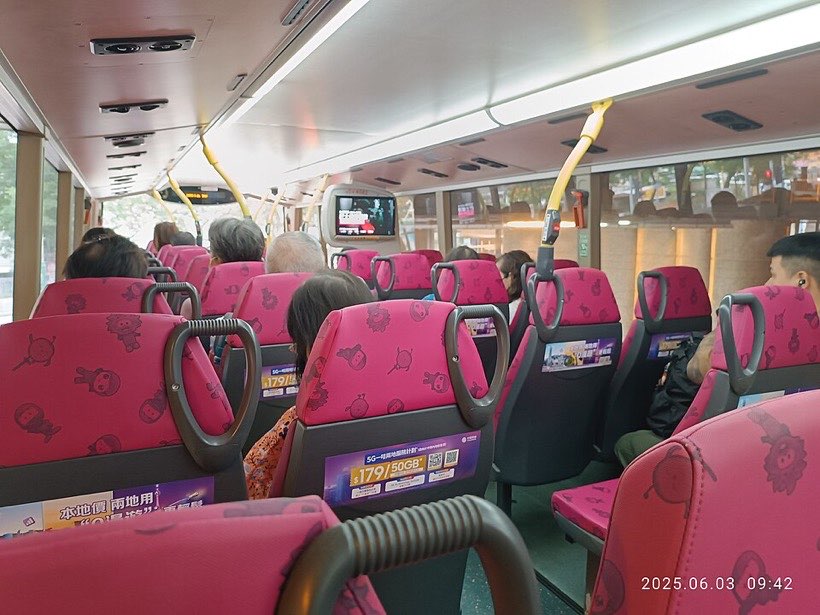
A bus has 14 rows with 4 seats in each. How many seats? Estimate: 10 × 4 = 40, so a bit more than 40.
A bus has rows of seats.
Splitting the array
Split 14 into 10 and 4. 4 × 10 = 40 and 4 × 4 = 16. 40 + 16 = 56 seats.
4 × 14 = 4 × 10 + 4 × 4 = 40 + 16 = 56.
The grid method
Write the tens and ones across the top. Multiply each part: 20 × 6 = 120, 3 × 6 = 18. Add the partial products: 120 + 18 = 138.
23 × 6 = 120 + 18 = 138.
Worked example
- 37 × 4: split 37 into 30 and 7.
- 30 × 4 = 120 and 7 × 4 = 28.
- 120 + 28 = 148.
Check it makes sense
23 is between 20 and 25. 20 × 6 = 120 and 25 × 6 = 150. 138 is between them – good!
20 × 6 = 120 and 25 × 6 = 150, so 138 is sensible.
Your turn: 46 × 5 = ?
Did you know? The grid method shows why the column method works.
Bigger multiplications
The grid method works for bigger numbers too. Split 124 into 100, 20 and 4; split 23 into 20 and 3. Multiply each pair, then add: 2852.
124 × 23 = 2480 + 372 = 2852.
Worked example
- Row 20: 2000 + 400 + 80 = 2480.
- Row 3: 300 + 60 + 12 = 372.
- 2480 + 372 = 2852. Estimate: 120 × 20 = 2400 ✓ close.
Key words
- grid method
- Split numbers into tens and ones in a grid, multiply each part, then add.
- partial product
- The answer to one part of a multiplication.
Meet the mathematician: Bhaskara II
1114–1185 · Karnataka, India
Bhaskara II was a great Indian mathematician and astronomer. He wrote a book called Lilavati, full of maths problems written as short poems. A story says he named it after his daughter, Lilavati. The book shows several clever ways to multiply, like splitting numbers into parts.
Activity: Seat planner
You need: squared paper
- Draw an array for 3 × 16 on squared paper.
- Cut or colour it into a 10 part and a 6 part.
- Find each part and add.
- Try 5 × 18 and 4 × 25.
Think and talk
- Why split 23 into 20 and 3?
- What would 23 × 7 be? How do you know?
- How does estimating help?
What I learnt
- I can multiply a 2-digit number by a 1-digit number.
- I can use the grid method.