Grade 5 · Unit 6: Earth’s movements
Exploring the solar system
Eight planets, many moons – and robots exploring them.
Our solar system
The solar system is the Sun and everything that orbits it. There are eight planets: Mercury, Venus, Earth, Mars, Jupiter, Saturn, Uranus and Neptune. There are also dwarf planets, moons, asteroids and comets.
Pluto was called a planet until 2006. Scientists now call it a dwarf planet because it is small and shares its orbit with many other icy objects.
Rocky planets
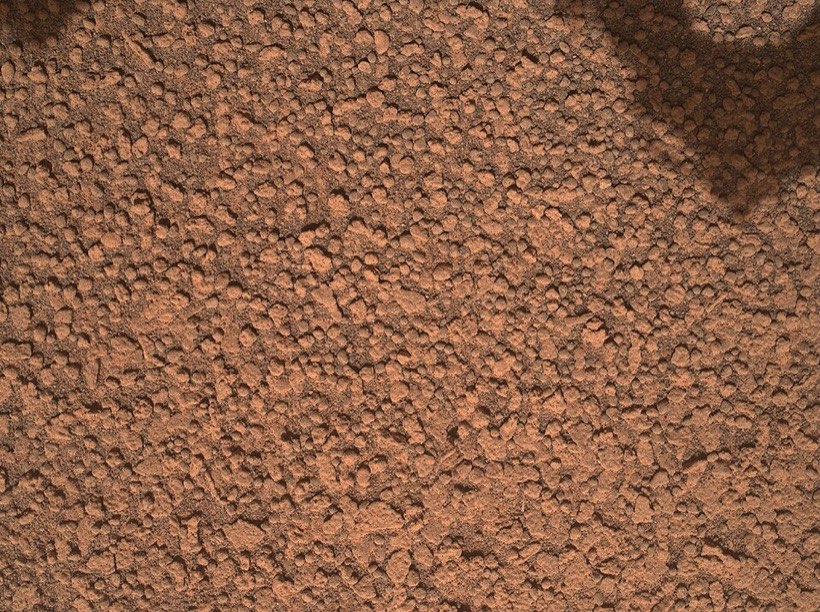
The four inner planets – Mercury, Venus, Earth and Mars – are rocky planets. Venus is the hottest planet, with thick, poisonous clouds. Mars is red because its soil contains rusty iron.
Mars has the biggest volcano in the solar system, Olympus Mons – about two and a half times as tall as Mount Everest.
Gas giants
Jupiter, Saturn, Uranus and Neptune are huge gas giants. Jupiter is the biggest planet. More than 1,000 Earths would fit inside it. Saturn has rings of ice and rock.
Jupiter has a giant storm called the Great Red Spot, which is bigger than the whole Earth and has lasted for hundreds of years.
Exploring with robots
People have walked on the Moon, but no one has visited another planet yet. Space probes and rovers have visited every planet and sent back photos and data.
Bangladesh launched its first satellite, Bangabandhu-1, in 2018. It orbits the Earth and carries TV and communication signals.
What I learnt
- I can name the planets in order from the Sun.
- I know the difference between rocky planets and gas giants.
- I know how scientists explore space.