Grade 5 · Unit 4: The way we see things
Which surfaces reflect light best?
Shiny and smooth, or dull and rough?
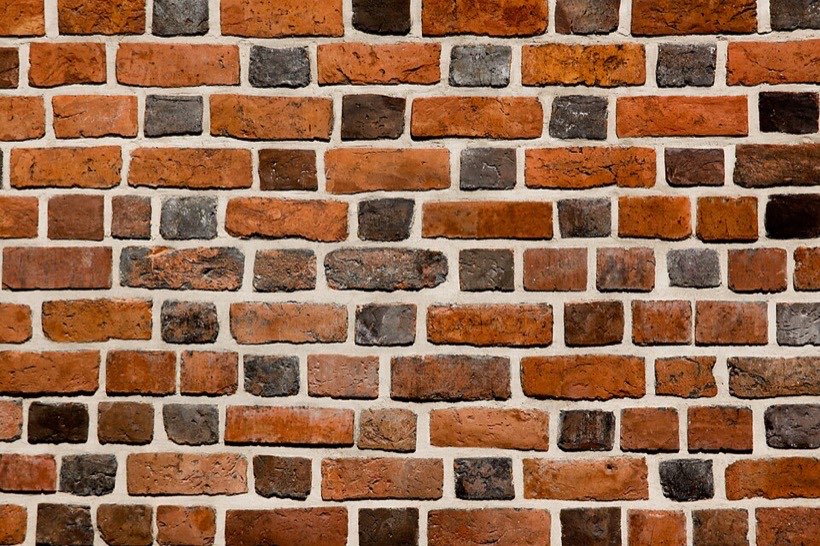
All surfaces reflect
Almost all surfaces reflect some light. That is how we see them. But some surfaces reflect light much better than others. Shiny, smooth surfaces reflect light well. Dull, rough surfaces reflect less.
Even a rough brick wall reflects some light – that is how we see it.
Light colours reflect more light than dark colours, so white houses stay cooler in hot countries.
Smooth and rough
A smooth surface reflects light in one direction, so it looks shiny. A rough surface scatters light in many directions, so it looks dull. Light colours reflect more light than dark colours.
A polished spoon reflects light like a mirror.
Polished floors and still water can be so smooth that they reflect a clear image, just like a mirror.
Testing surfaces
Shine a torch at different surfaces and measure the reflected light with a light meter. Keep the torch, distance and angle the same. Foil and white paper reflect much more than black cloth.
A light meter app measures how much light is reflected.
Light meters are used by photographers to choose the right camera settings, and by architects to check rooms get enough daylight.
Reflecting to stay safe
Reflective strips on bags, clothes and rickshaws bounce car headlights back. Road signs and cat’s eyes in roads reflect light too.
Reflective strips make cyclists easy to see at night.
Road signs use tiny glass beads or prisms that send light straight back towards the car that lit them.
Did you know? Fresh snow reflects about 80 out of every 100 parts of sunlight that hit it.
Key words
- shiny
- Smooth and bright, reflecting light well.
- dull
- Not shiny; reflects light poorly.
- scatter
- Spread out in many directions.
- light meter
- An instrument that measures how bright light is.
Activity: Reflection test
You need: a torch, a light meter app, samples: foil, white paper, black paper, cloth, mirror, cardboard
- In a darkened room, shine the torch at each sample from the same distance and angle.
- Measure the reflected light with the light meter held in the same place.
- Repeat each test twice.
- Order the materials from best to worst reflector.
Think and talk
- Why are rickshaws decorated with shiny reflectors?
- Why do white clothes keep you cooler in the sun?
- How could you make your investigation fair?
What I learnt
- I know that smooth, shiny surfaces reflect light best.
- I can plan a fair test to compare surfaces.