Energy changes
Energy changes form – electricity into light, food into movement.
Changing form
Energy can change from one form into another. This is an energy change. A lamp changes electrical energy into light energy. A fan changes electrical energy into movement energy.
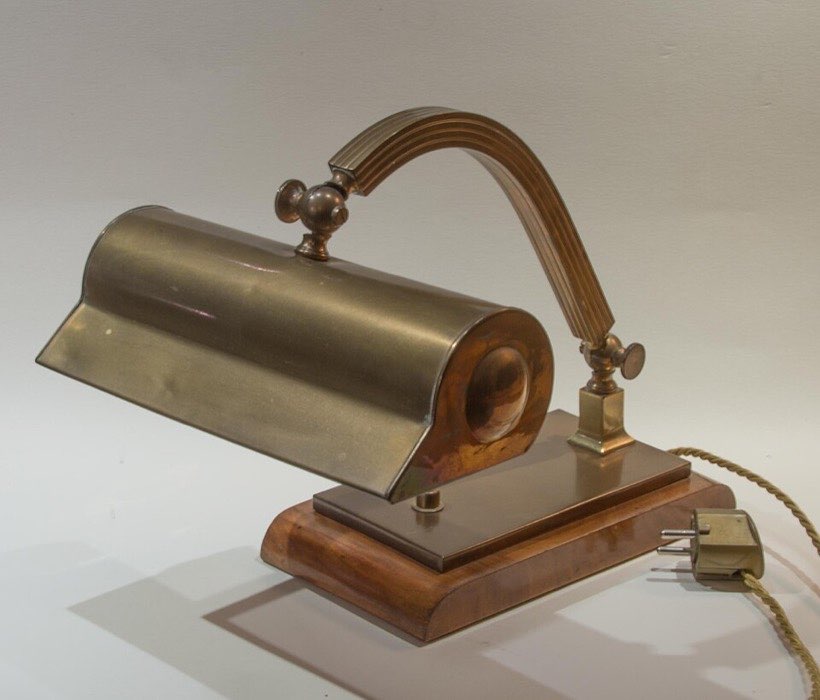
A desk lamp changes electrical energy into light (and some heat).
A phone changes stored chemical energy in its battery into light (the screen), sound (the speaker) and a little heat.
Rubbing hands
Rub your hands together quickly. They get warm! Movement energy changes into heat energy because of friction. Energy chain: food → muscles → movement → heat.
Rubbing sticks together quickly makes enough heat to start a fire – friction at work.
Friction between brake pads and a bicycle wheel changes movement energy into heat – that is how the bicycle slows down.
Useful and wasted
A television changes electrical energy into light and sound. This is useful energy. It also gets warm. That heat is wasted energy. Good machines waste as little energy as possible.
A television changes electricity into light and sound – and some heat.
An LED bulb changes most of its electrical energy into light. An old-style bulb wastes most of it as heat – that is why it gets so hot.
Energy is never lost
Energy is never used up or destroyed. It only changes from one form into another, or spreads out.
Energy changes form, but the total amount stays the same.
When a ball bounces lower and lower, its movement energy is not lost: it changes into sound and a little heat in the ball and the ground.
Did you know? In a gas cooker, stored energy in the gas changes into heat and light energy.
Key words
- energy change
- When energy changes from one form into another.
- friction
- A force between rubbing surfaces that changes movement energy into heat.
- useful energy
- Energy in the form we want.
- wasted energy
- Energy that changes into a form we did not want, often heat.
Activity: Energy change cards
You need: pictures of a torch, a radio, a gas stove, a bicycle, a phone charging, a rice cooker
- For each picture, decide what form of energy goes in and what comes out.
- Draw an energy chain with boxes and arrows.
- Circle the useful energy and underline any wasted energy.
- Compare your chains with a partner.
Think and talk
- What energy changes happen when you switch on a fan?
- Why does an old-style bulb get hot?
- Draw an energy chain for eating a banana and then playing football.
What I learnt
- I know that energy can change from one form into another.
- I can identify useful and wasted energy.