How sound travels
Sound spreads out in waves, like ripples on a pond.
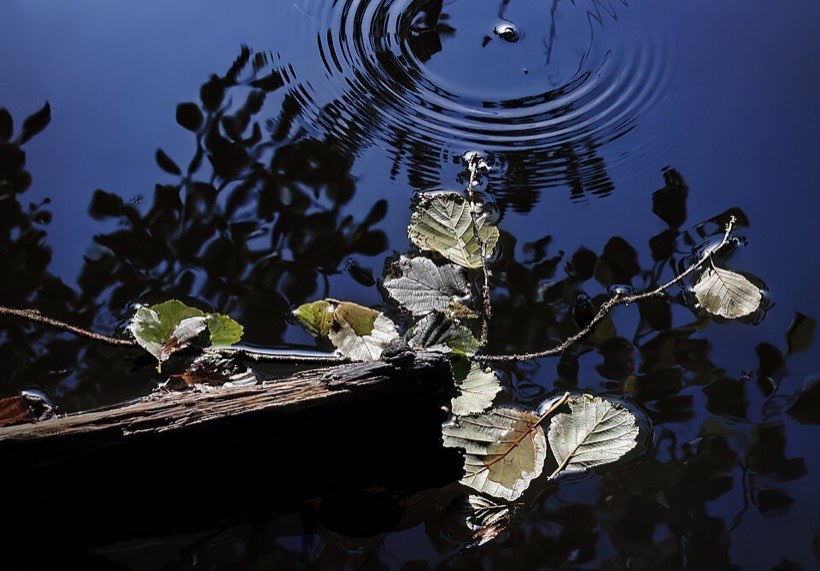
Like ripples
Drop a stone in a pond and ripples spread out in circles. Sound spreads out from a source in a similar way, in sound waves. That is why people all around a speaker can hear it.
The further sound waves spread out, the weaker they get. That is why a voice is quieter at the back of a big field.
Echoes
Sound can reflect off hard surfaces. A sound that bounces back to you is an echo. You can hear echoes in empty halls, wells and valleys.
Concert halls have soft seats, curtains and carefully shaped walls so that echoes do not make the music sound muddled.
Animals use echoes
Bats make high squeaks and listen to the echoes. The echoes tell them where insects and obstacles are. Dolphins find fish in the same way.
Some blind people learn to use echoes too. They click their tongue and listen to the echoes to tell where walls and objects are.
Sound and light
Sound travels at about 340 metres every second in air. Light travels much faster. That is why you see lightning first and hear the thunder later.
Light reaches you almost at once, but sound takes about 3 seconds to travel 1 km. That is why counting the seconds tells you how far away a storm is.
What I learnt
- I know that sound spreads out in waves.
- I know that sound can reflect and make echoes.