Sound travels through different materials
Put your ear to the table – sound travels through solids too.
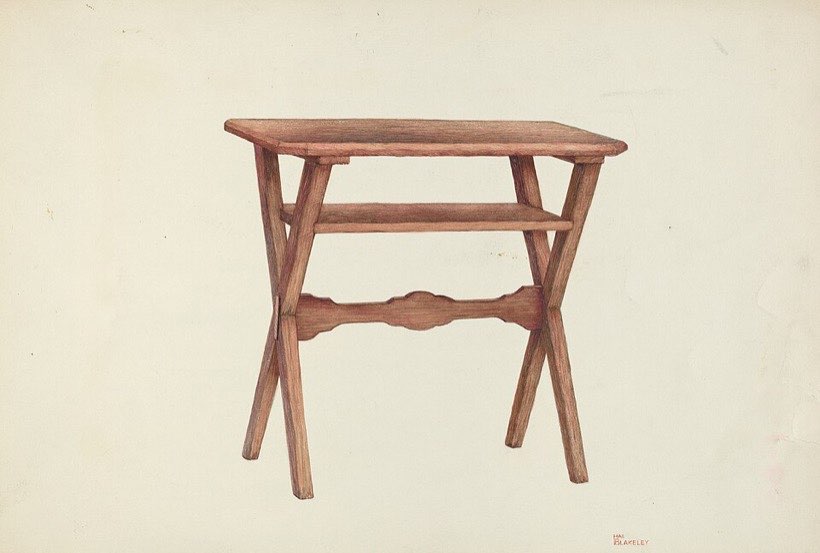
Through solids
Put your ear on a table and ask a friend to tap the other end. The sound is louder through the table than through the air. Particles in a solid are close together, so they transmit vibrations well.
Doctors use a stethoscope to listen to your heart and lungs. Sound travels through its tubes and the solid parts to the doctor’s ears.
Through liquids
Sound travels well through water too. Dolphins and whales call to each other across long distances. Swimmers can hear a boat engine under water before they see it.
Fishermen use sonar, which sends sound pulses through the water and listens for echoes, to find shoals of fish.
String telephones
Make a string telephone with two cups and a long string. Speak into one cup. The cup and string vibrate. The vibrations travel along the tight string to your friend’s cup.
If the string is loose or someone touches it, the vibrations stop and the sound fades.
Which is fastest?
Sound travels fastest through solids, then liquids, then gases. Long ago, people put an ear to a railway track to hear a train coming.
Sound travels at about 340 m per second in air, about 1,500 m per second in water and about 5,000 m per second in steel.
What I learnt
- I know that sound travels through solids, liquids and gases.
- I know that sound travels fastest through solids.