Grade 4 · Unit 1: Humans and animals
Skeletons and movement
Muscles pull bones – in pairs.
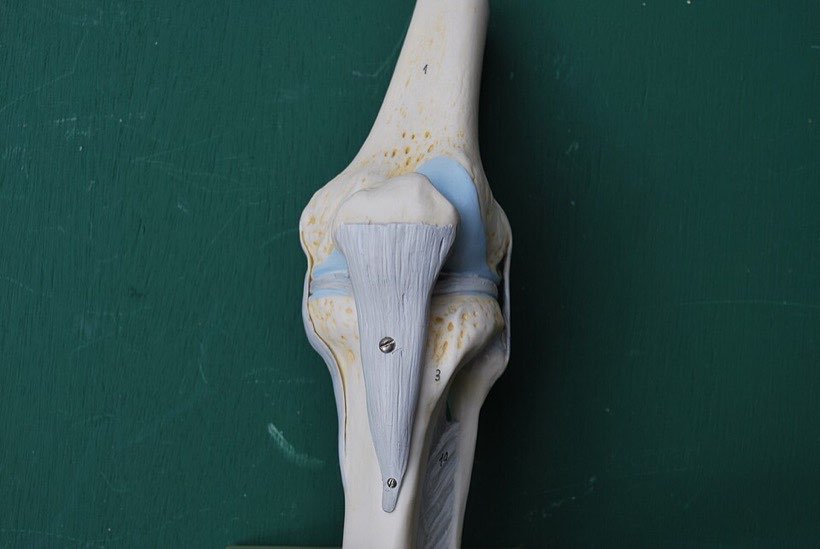
Joints
A joint is a place where two bones meet. Your elbows and knees are hinge joints. They bend one way, like a door hinge. Your shoulders and hips are ball-and-socket joints. They can turn in almost any direction.
Joints are covered in smooth, slippery cartilage and a little liquid, a bit like oil in a bicycle chain, so the bones move smoothly.
Muscles pull
Muscles are joined to bones by strong tendons. When a muscle contracts, it gets shorter and fatter and pulls on the bone. Muscles can pull, but they cannot push.
You can feel a tendon at the back of your ankle. It is called the Achilles tendon and joins the calf muscle to the heel bone.
Muscles work in pairs
To bend your arm, the biceps at the front contracts and the triceps at the back relaxes. To straighten your arm, the triceps contracts and the biceps relaxes. Muscles always work in pairs like this.
You have more than 600 muscles. Even smiling uses lots of small muscles in your face.
Keeping muscles strong
Exercise makes muscles bigger and stronger. Stretching keeps joints moving easily. Warm up before sport so you do not strain a muscle.
Kabaddi, cricket, swimming and dancing all strengthen different muscles. Rest and sleep after exercise let muscles repair and grow stronger.
What I learnt
- I know that joints let the skeleton bend.
- I can explain how muscles work in pairs to move bones.