Grade 4 · Unit 1: Humans and animals
Skeletons
A hard, strong frame hides inside you.
A frame inside you
Under your skin and muscles there is a hard, strong frame. It is your skeleton. Your skeleton is made of bones. Bones are hard, so they keep their shape. Press your fingers on your knee, elbow or ribs. You can feel bones under your skin.
Bones are not dead and dry like the bones you might see in a museum. Inside your body, bones are alive. They grow as you grow, and they can mend themselves when they break.
Animals with backbones
Many animals have a skeleton inside their bodies, just like us. Fish, frogs, snakes, birds, cows and cats all have a backbone. They are called vertebrates. Their skeletons are different shapes because their bodies are different.
A snake’s skeleton is mostly a very long backbone with hundreds of ribs. A bird has light, hollow bones that help it to fly.
Skeletons from long ago
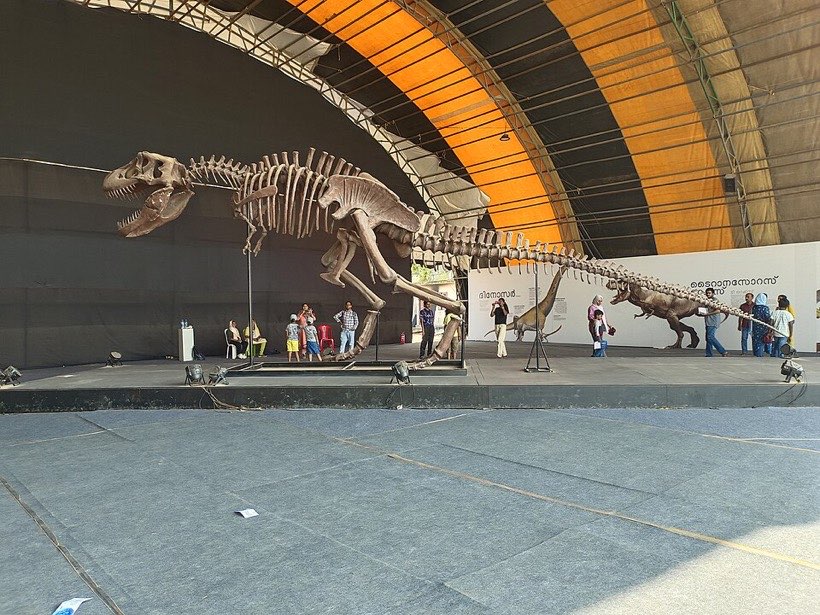
Some skeletons are millions of years old. They have turned to stone inside rocks. We call these remains fossils. Scientists study fossil skeletons to find out what dinosaurs and other old animals looked like.
Scientists who study fossils are called palaeontologists. They dig carefully with small tools and brushes so they do not break the bones.
Healthy bones
Bones need calcium to grow strong. Milk, yoghurt, dal and small fish eaten with their bones contain calcium. Sunlight on your skin helps your body make vitamin D, which helps bones use calcium. Exercise such as running and jumping also makes bones stronger.
Children grow fastest in their teenage years. Eating well and being active now helps you build strong bones that last for life.
What I learnt
- I know that humans and many animals have a skeleton of bones inside their bodies.
- I know that animals with a backbone are called vertebrates.
- I know how to keep my bones healthy.