Grade 3 · Unit 1: Looking after plants
Plants need light and water
What happens to a plant kept in the dark?
What plants need
Plants need light, water, air and warmth to grow. They also need minerals from the soil. A healthy plant has strong stems and green leaves.
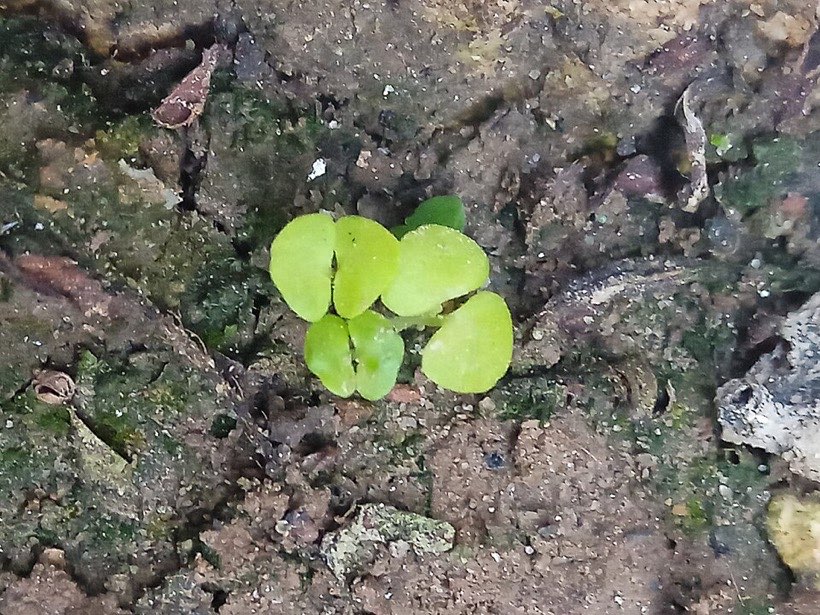
These young plants have light, water, air and soil – everything they need.
Plants do not eat food like we do. They make their own food in their leaves, but only when they have light.
Plants in the dark
A plant kept in the dark grows tall and thin. Its leaves turn pale yellow instead of green. It is weak and soon falls over. Without light, it cannot make food.
Seedlings grown in the dark become pale, thin and weak.
The pale plant is stretching to find light. If you put it back in the light, it can turn green again – if it is not too late.
Plants without water
A plant without water begins to wilt. Its leaves droop and dry. If it gets water soon, it can recover. If it has no water for a long time, it dies.
A plant without water wilts: its leaves and stem droop.
Different plants need different amounts of water. Rice grows in flooded paddy fields, but a cactus can live for months with almost no rain because it stores water in its thick stem.
Testing it fairly
Scientists use a fair test to find out what plants need. Take two plants that are the same. Change only one thing, such as light. Keep the water, soil, pot and temperature the same.
In the Plant Growth lab you can change one thing at a time – just like a fair test.
The thing you change is called a variable. If you changed two things at once, you would not know which one made the difference.
Key words
- seedling
- A young plant that has just started to grow from a seed.
- wilt
- When a plant droops because it does not have enough water.
- fair test
- A test where you change only one thing and keep everything else the same.
- variable
- Something that can change in an investigation.
- healthy
- Strong, green and growing well.
Activity: Light or dark?
You need: two seedlings the same size in the same kind of pot, a cardboard box, water, a ruler
- Predict what will happen to each seedling.
- Put one seedling on a sunny windowsill and the other under the box.
- Give both the same amount of water every two days.
- Measure the height and look at the colour of the leaves every two days for two weeks.
- Compare the two plants. Was your prediction right?
Think and talk
- Why did the plant in the dark grow tall and thin?
- How could you test if plants need water? What would you keep the same?
- Why do farmers in Bangladesh worry when the rains are late?
What I learnt
- I know that plants need light and water to grow well.
- I can describe what happens to a plant without light or water.
- I can explain how to make a test fair.