3D shapes
Faces, edges and vertices.
Solid shapes
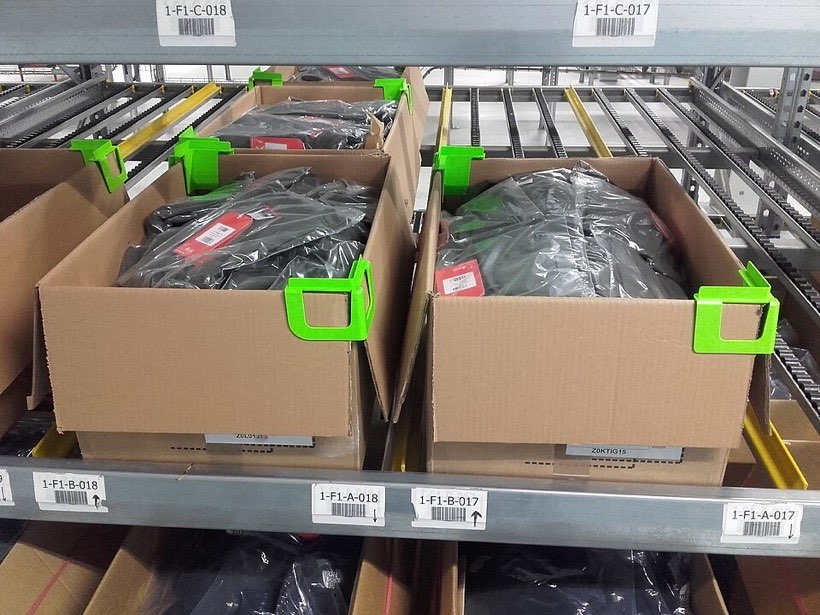
Boxes, tins and balls are 3D shapes. We describe them by their faces, edges and vertices. Let us count them!
Boxes are cuboids.
Faces, edges, vertices
A cube has 6 square faces. It has 12 edges where the faces meet. It has 8 vertices (corners).
A cube has 6 faces, 12 edges and 8 vertices.
Prisms and pyramids
A prism has two matching ends. A pyramid has a base and triangle faces that meet at a point. Cylinders and cones have curved surfaces.
Prisms have the same shape at both ends; pyramids come to a point.
Comparing 3D shapes
A cube and a cuboid have the same counts. A square pyramid has 5 faces and 5 vertices. Use real models to count.
Counting faces, edges and vertices.
Did you know? The great pyramids of Egypt are square pyramids.
Drawing 3D shapes
A drawing of a cube shows 3 of its faces. Dashed lines can show the hidden edges. Each face of a 3D shape is a 2D shape: a cube’s faces are squares.
Drawings of 3D shapes show depth with extra lines.
Key words
- face
- A flat or curved surface of a 3D shape.
- edge
- Where two faces meet.
- prism
- A 3D shape with the same shape at both ends.
- pyramid
- A 3D shape with a flat base and triangle faces that meet at a point.
Activity: Straw models
You need: straws, modelling clay
- Build a cube with straws for edges and clay for vertices.
- Count the edges and vertices.
- Build a square pyramid.
- Compare the two models.
Think and talk
- How is a cube different from a cuboid?
- Which 3D shapes have no vertices?
- Why are tins cylinders?
What I learnt
- I can count faces, edges and vertices.
- I can name prisms and pyramids.