What affects the size of a shadow?
Move the object, move the light – and watch the shadow change.
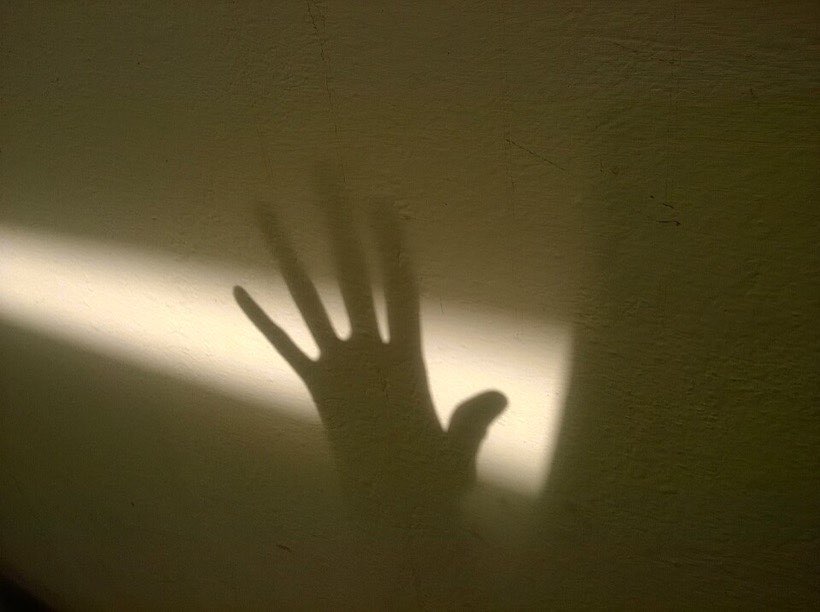
Closer means bigger
Move an object closer to a light source and its shadow gets bigger. Move it further away and the shadow gets smaller. This is because the object blocks more of the spreading light when it is close.
The distance between the object and the screen matters too: moving the screen further away makes the shadow bigger.
Planning an investigation
What will you change? The distance from the torch to the object. This is the independent variable. What will you measure? The height of the shadow. This is the dependent variable. Keep the torch, object and screen position the same.
The things you keep the same are called the control variables: here, the torch, the object and the screen position.
Looking for a pattern
Record your results in a table. Plot a line graph: distance on the bottom axis, shadow height up the side. Describe the pattern: “As the distance increases, the shadow gets smaller.”
This graph is a curve, not a straight line. The shadow shrinks quickly at first, then more slowly.
Making predictions
A graph lets you predict results you did not measure. Read across from a distance to the line to predict the shadow height.
Predicting between your measured points is called interpolation. Predicting beyond them is harder and less certain.
What I learnt
- I know that the distance between object and light changes the size of the shadow.
- I can identify the variables in an investigation and draw a line graph.