Which materials let light through?
Transparent, translucent or opaque?
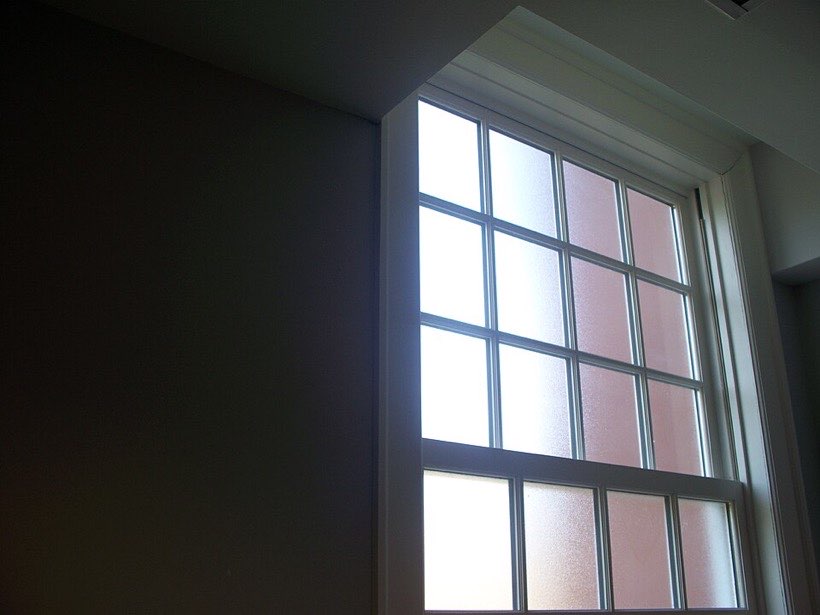
Three kinds of materials
Transparent materials, like clear glass and water, let light pass straight through. Translucent materials, like tissue paper and frosted glass, let some light through, but blur it. Opaque materials, like wood, metal and card, block all light.
Coloured glass is transparent but only lets certain colours through, which is why church windows and bottles look coloured.
Shadows and materials
Opaque objects make dark, sharp shadows. Translucent objects make pale shadows. Transparent objects make almost no shadow.
A translucent object makes a pale, fuzzy shadow because some light still passes through it.
Choosing the right material
Windows are transparent so light comes in and we can see out. Bathroom windows are often translucent, for privacy. Curtains and blinds are opaque or translucent to keep out strong sun.
Blackout curtains in bedrooms are opaque to help people, such as night-shift workers, sleep during the day.
Testing materials
Hold each material between a torch and a light meter. The more light that passes through, the higher the reading. Use the results to sort materials into transparent, translucent and opaque.
The amount of light passing through a material also depends on its thickness. Several layers of tissue paper become nearly opaque.
What I learnt
- I can sort materials into transparent, translucent and opaque.
- I can explain how the material affects the shadow.