Grade 5 · Unit 2: The life cycle of flowering plants
Why plants have flowers
Flowers are how plants make seeds.
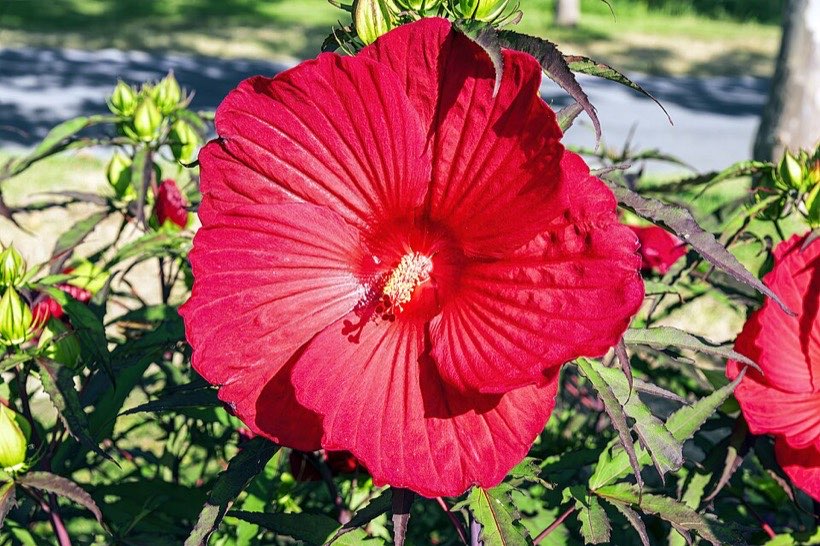
Flowers make seeds
Flowers are not just for decoration. They help plants reproduce. A flower makes seeds, which grow into new plants. After the flower dies, the fruit and seeds develop.
Most flowers have both male and female parts. Some plants, such as pumpkins and gourds, have separate male and female flowers.
Attracting visitors
Many flowers have bright petals and a sweet scent. They make nectar, a sugary drink. This attracts insects and birds, which help the flower to make seeds.
Some flowers have patterns that point towards the nectar, like landing lights on a runway, to guide insects to the centre.
Flowers without petals
Some flowers are small and plain, with no bright petals or scent. Grasses, rice and maize have flowers like this. They do not need to attract insects, because the wind carries their pollen.
Rice plants usually pollinate themselves: pollen from a flower lands on the stigma of the same flower, often helped by a breeze.
Flowers we use
People grow flowers for weddings, festivals and gardens. Many fruits and vegetables we eat come from flowers.
Bangladesh exports flowers, and farms in Jashore grow fields of marigolds, roses and tuberoses for markets across the country.
What I learnt
- I know that flowers help plants reproduce by making seeds.
- I know that many flowers attract insects with colour, scent and nectar.