Grade 4 · Unit 5: Electricity and magnetism
Magnetic poles
North and south: opposites attract.
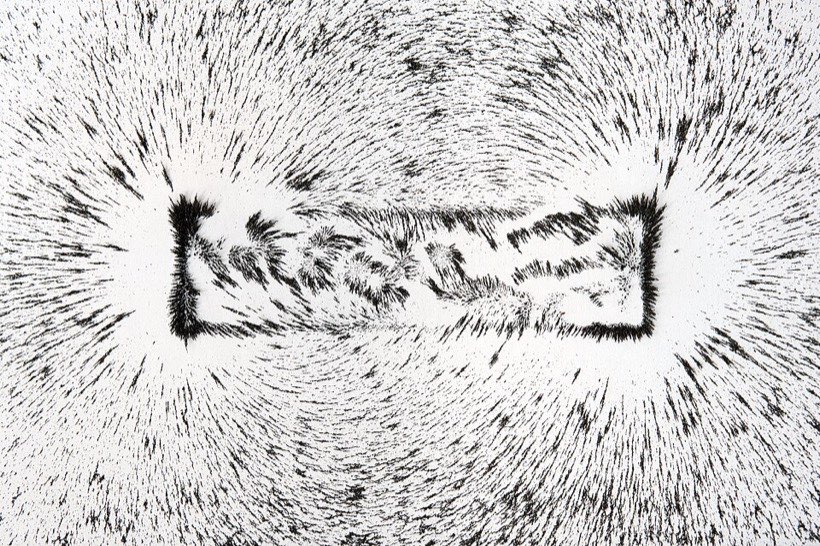
Two poles
Every magnet has two poles: a north pole and a south pole. The pull of a magnet is strongest at its poles. Bar magnets often have N and S marked on the ends.
If you break a bar magnet in half, each piece becomes a new magnet with its own north and south pole.
Attract or repel
A north pole and a south pole attract each other. Two north poles repel (push apart). So do two south poles. We say: opposite poles attract, like poles repel.
Repelling magnets push each other away even before they touch. You can feel the push with your hands.
Floating magnets
Put ring magnets on a pencil with like poles facing. The top magnet floats in the air, pushed up by the one below!
Magnetic levitation (“maglev”) trains use the same idea: like poles push the train up so it floats above the track.
The Earth is a magnet
The Earth behaves like a giant magnet. A magnet hung on a thread turns until its north pole points north.
A compass needle’s north pole points north because it is attracted towards the Earth’s magnetic pole in the far north.
What I learnt
- I know that magnets have north and south poles.
- I know that opposite poles attract and like poles repel.