Grade 4 · Unit 5: Electricity and magnetism
Conductors and insulators
Metals let electricity flow; plastic keeps us safe.
Testing materials
Put a gap in a circuit and bridge it with different materials. If the bulb lights, the material is an electrical conductor. If it does not light, it is an electrical insulator.
Electricians use a small tester to check whether a wire or plug is safe before they touch it.
Conductors
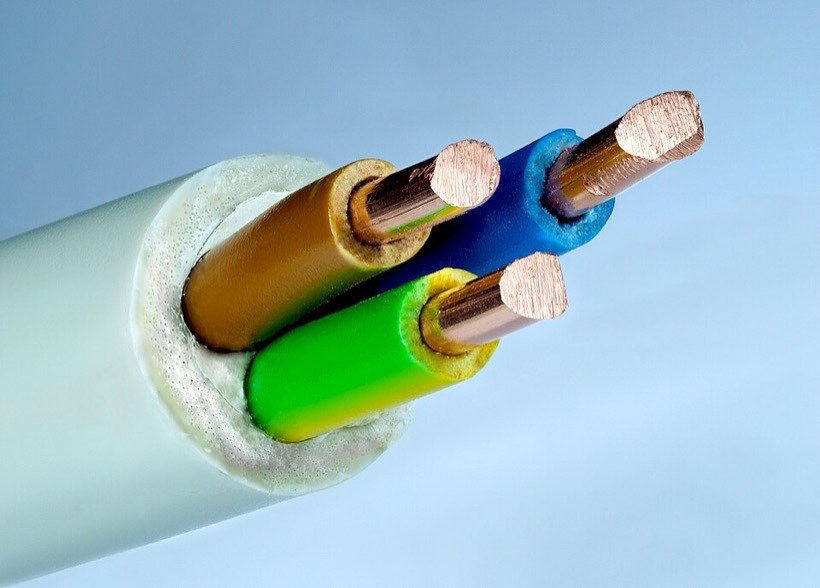
Metals such as copper, aluminium, iron and steel are good conductors. Graphite (pencil lead) conducts electricity too, even though it is not a metal. Copper is used in wires because it conducts very well and bends easily.
Silver is an even better conductor than copper, but copper is much cheaper, so it is used for almost all wires.
Insulators
Plastic, rubber, wood, glass, cloth and paper are insulators. Wires are covered in plastic so electricity stays inside them. Plugs and switches have plastic cases to keep our fingers safe.
Power lines on pylons are bare metal. They hang from glass or ceramic insulators so the electricity cannot flow down into the pylon.
Water and electricity
Pure water is a poor conductor, but tap water, rainwater and sweat contain dissolved substances that let electricity flow. That is why electricity and water are a dangerous mix. Never touch switches or appliances with wet hands, and keep them away from sinks and baths.
Bathrooms have pull-cord light switches or switches outside the door, so people never touch a switch with wet hands.
What I learnt
- I can test materials to find conductors and insulators.
- I know why appliances use both conductors and insulators.
- I know that water and electricity are dangerous together.