Grade 4 · Unit 2: Living things and environments
Recycling can save the Earth!
Old into new: paper, glass, metal and plastic.
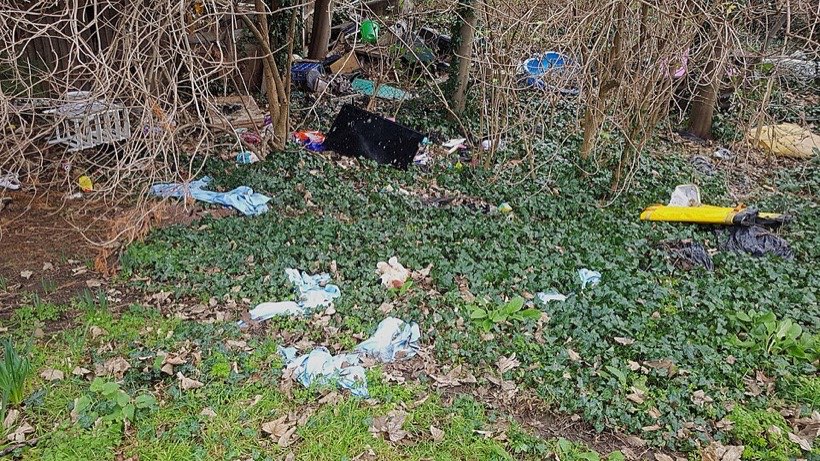
Too much rubbish
Every day, people throw away huge amounts of rubbish. Much of it is buried in landfill or burned, which pollutes the land and air. Plastic can last for hundreds of years.
Dhaka produces thousands of tonnes of rubbish every day. If it is dumped in drains, the drains block and streets flood in the monsoon.
Reduce, reuse, recycle
Reduce: buy less and choose things with less packaging. Reuse: use jars, bags and bottles again. Recycle: sort paper, glass, metal and plastic so they can be made into new things.
Old saris are reused to make nakshi kantha quilts, and old tyres are made into sandals and buckets. Reusing is one of the oldest traditions in Bangladesh.
How recycling works
Paper is mashed with water and pressed into new paper. Glass and metal are melted and made into new bottles and cans. Some plastics are melted and made into new things, like fleece clothing.
In Bangladesh, many people earn a living by collecting and selling used paper, plastic and metal for recycling.
Composting
Food scraps and leaves do not have to go in the bin. In a compost heap, worms and tiny living things break them down. The compost makes garden soil rich, so plants grow well.
Compost is full of nutrients. Many farmers in Bangladesh make compost from cow dung, rice straw and kitchen waste instead of buying fertiliser.
What I learnt
- I can explain reduce, reuse and recycle.
- I know how some materials are recycled.
- I can suggest ways to reduce waste.