Grade 4 · Unit 1: Humans and animals
How medicines work
Killing germs, easing pain and stopping disease before it starts.
Germs and disease
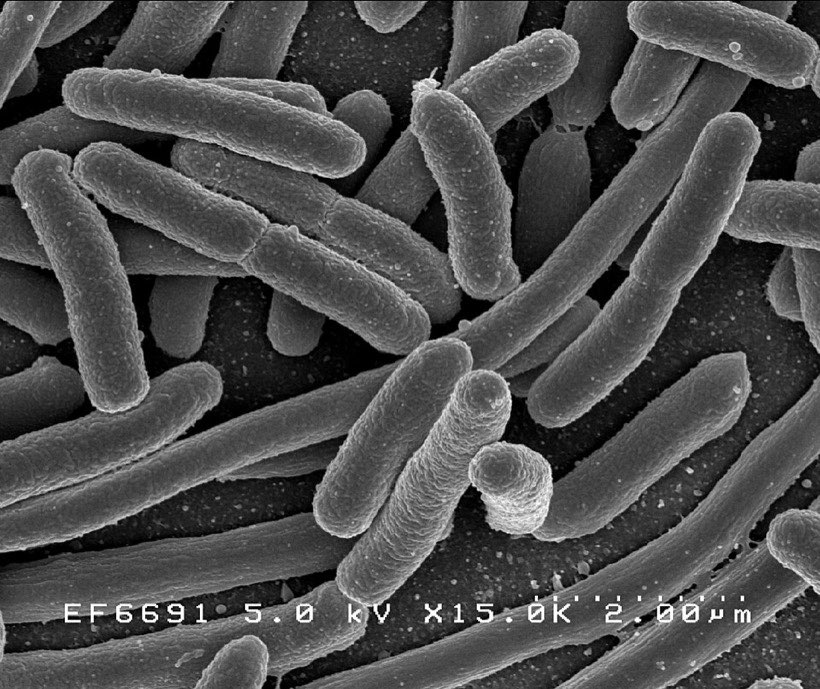
Germs are tiny living things that are too small to see. Some germs cause infectious diseases, like colds, flu, diarrhoea and dengue. Washing hands with soap removes many germs.
Germs spread through dirty water, coughs and sneezes, dirty hands and insects. Mosquitoes, for example, spread dengue and malaria.
Medicines that fight germs
An antibiotic is a medicine that kills bacteria. Antibiotics do not work on viruses, such as the virus that causes a cold. Always finish the whole course of antibiotics, even if you feel better.
If antibiotics are used too often or not finished, some bacteria survive and become resistant – the medicine no longer kills them. That is why we only use them when a doctor says so.
Medicines that ease symptoms
Some medicines do not kill germs. They make you feel better while your body fights the illness. Paracetamol eases pain and brings down a fever. Rest, water and good food help your body to recover.
When you have diarrhoea, your body loses lots of water. ORS – oral rehydration salts – replaces the water and salts. It was developed by scientists in Dhaka and has saved millions of lives around the world.
Vaccines
A vaccine trains your body to fight a disease before you catch it. Children in Bangladesh are given vaccines against diseases such as measles, polio and tuberculosis. When most people are vaccinated, diseases cannot spread easily.
Bangladesh has one of the most successful child vaccination programmes in the world. Health workers travel to villages, islands and hills to reach every child.
What I learnt
- I know that some diseases are caused by germs.
- I can describe how antibiotics, other medicines and vaccines help us.
- I know that handwashing stops germs spreading.