Grade 3 · Unit 6: Forces and movement
Changing shape
Forces can squash, stretch, bend and twist things.
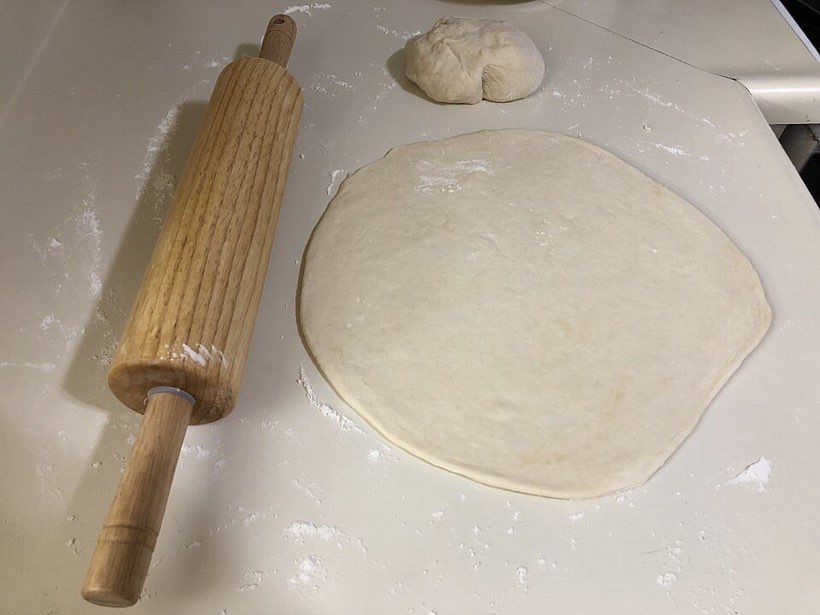
Forces change shape
Forces can change the shape of objects. You can squash, stretch, bend or twist things. Pushes squash; pulls stretch.
Pushing with a rolling pin squashes dough into a flat roti.
Shaping clay
Potters in Bangladesh shape soft clay into pots and bowls. They push the clay with their hands as it spins on a wheel. When the clay dries and is baked, it keeps its new shape.
A potter pushes and pulls soft clay to make a pot.
Springing back
Some materials go back to their shape when the force stops. They are elastic. Rubber bands, springs and sponges are elastic. Play dough and clay are not elastic. They stay in their new shape.
A stretched rubber band springs back when you let go.
Too much force
If you use too much force, some materials break. A pencil snaps if you bend it too far. An elastic band snaps if you stretch it too much.
Bend a branch too far and it snaps.
Did you know? A spider’s silk can stretch a lot before it breaks – it is stronger than steel of the same thickness.
Key words
- squash
- Press something so it becomes flatter or smaller.
- stretch
- Pull something to make it longer.
- bend
- Make something curve.
- twist
- Turn the two ends in opposite directions.
- elastic
- Goes back to its shape after the force is removed.
Activity: Stretch test
You need: a rubber band, a paper clip hook, a small bag, marbles or coins, a ruler
- Hang the bag from the rubber band. Measure the length of the band.
- Add 5 marbles at a time. Measure the band each time.
- Predict how long the band will be with 25 marbles.
- Take all the marbles out. Does the band go back to its first length?
- Draw a line graph of your results.
Think and talk
- What do you squash, stretch, bend or twist when you get ready for school?
- Is a balloon elastic? How do you know?
- Why does a clay pot keep its shape?
What I learnt
- I know that forces can change the shape of objects.
- I know what elastic means.