Grade 3 · Unit 1: Looking after plants
Plant growth and temperature
Do seeds grow faster when it is warm or cold?
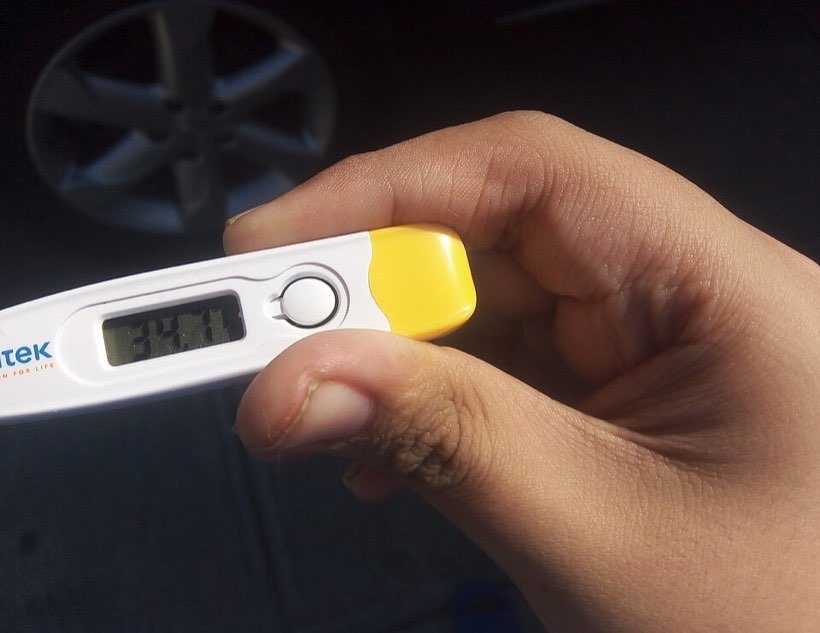
Warm and cold
Temperature tells us how hot or cold something is. We measure it with a thermometer. Plants grow best when it is warm, but not too hot.
A thermometer shows the temperature in degrees Celsius.
Most plants grow slowly in the cold. If it is very cold, ice can form inside the leaves and damage them.
Seeds need warmth
Seeds need water and warmth to germinate. In a cold fridge, most seeds grow very slowly or not at all. In a warm room, they start to grow in a few days.
Cress seeds germinate in a few days on wet cotton wool.
Farmers in Bangladesh sow seeds when the weather is right. Rice likes the warm, wet months, but cauliflower and tomatoes grow well in the cool winter.
An investigation
Put three pots of seeds in three places: a fridge, a classroom and a warm, sunny spot. Give them the same seeds, soil and water. Every two days, measure the height of the seedlings in millimetres.
Measure each seedling carefully with a ruler.
Keep a table of your results. Then draw a graph. A line graph shows how each plant grew over time.
Too hot!
If it is too hot, plants lose water quickly and wilt. Very high temperatures can kill young plants. Gardeners water plants in the cool morning or evening.
In very hot, dry weather the soil cracks and plants dry out.
Did you know? Some seeds, like those of certain pine trees, only germinate after a forest fire!
Key words
- temperature
- How hot or cold something is. We measure it in degrees Celsius (°C).
- thermometer
- A tool for measuring temperature.
- germinate
- When a seed starts to grow.
- measure
- Find out the size or amount of something using a tool.
- results
- What you find out in an investigation.
Activity: Cold, warm, hot
You need: 3 small pots or cups with cotton wool, cress or mustard seeds, water, a thermometer, a ruler
- Put the same number of seeds on wet cotton wool in each pot.
- Put one pot in a fridge, one in the classroom and one in a warm, sunny place.
- Measure the temperature of each place with the thermometer.
- Keep the cotton wool damp. Measure the seedlings every two days.
- Which seeds grew best? Was it the warmest place?
Think and talk
- Where in your school would seeds grow fastest? Why?
- Why do farmers grow different crops in summer and winter?
- How could you make your seed investigation fair?
What I learnt
- I know that temperature affects how plants grow.
- I can measure and record plant growth.
- I can describe a fair investigation.