Grade 2 · Unit 2: Looking at rocks
Other natural materials
Bamboo, jute, cotton and shells – gifts from nature.
From nature
Rocks are not the only natural materials. Wood, bamboo, cotton, wool and shells come from nature too.
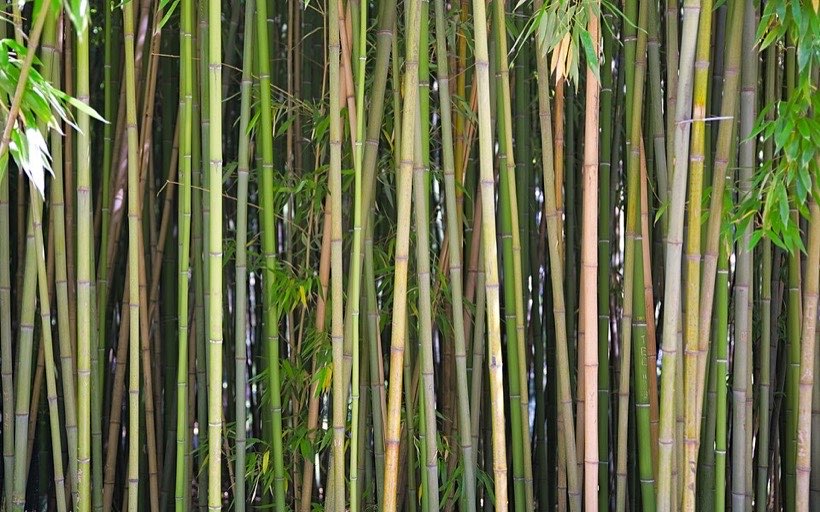
A bamboo grove. Bamboo grows tall and very fast.
Bamboo is a giant grass. It is strong, light and bends without breaking.
From plants
Jute plants give long fibres for sacks and bags. Bamboo is used for houses, baskets and bridges. Cotton plants give soft fibres for clothes.
Golden jute fibre, ready to be made into rope and bags.
Farmers soak jute stems in water, then pull out the long fibres and dry them in the sun.
From animals
Wool comes from sheep. Silk is made by silkworms. Rajshahi is famous for silk. Shells and feathers are natural too.
Silkworm cocoons. Each one is made of a single long silk thread.
Silkworms eat mulberry leaves. Rajshahi silk is famous all over Bangladesh.
Made by people
Plastic, glass and paper are man-made materials. People change natural materials to make them. Glass is made from sand. Paper is made from wood.
Some materials are mixed with others to make something new, like cotton and plastic in some clothes.
Did you know? Jute is called the “golden fibre” of Bangladesh. Jute bags can rot away naturally, unlike plastic bags.
Key words
- natural material
- A material that comes from nature: plants, animals or the ground.
- man-made material
- A material made by people, like plastic or glass.
- jute
- A plant whose long fibres make rope, sacks and bags.
- bamboo
- A tall, fast-growing grass with strong, hollow stems.
- fibre
- A long, thin thread.
Activity: Natural or man-made?
You need: a tray of objects: wooden spoon, jute string, cotton cloth, shell, plastic cup, glass jar, paper, rubber band, wool
- Predict which objects are natural and which are man-made.
- Sort them into two hoops.
- Talk: are any hard to decide? (Paper comes from wood but people make it.)
- Choose one natural material and say what it is used for and why.
Think and talk
- Find three natural materials in your classroom.
- Why is a jute bag better for the environment than a plastic bag?
- Is paper natural or man-made? Explain.
What I learnt
- I know that some materials come from plants, animals or the ground.
- I can sort materials into natural and man-made.