Haiku
Seventeen syllables, one moment.
Read the haiku
Read Bashō’s famous haiku, in our own translation from the Japanese, and two modern haiku.
Three haiku
by InquiryMind
The old pond is still –
a frog leaps in, and then the
sound of the water.
(Matsuo Bashō, 1686, translated by InquiryMind)
Monsoon morning rain,
paper boats race down the lane –
one sinks, one sails on.
(InquiryMind)
Bus window at dusk:
a whole city of lit homes
blinks goodnight to me.
(InquiryMind)
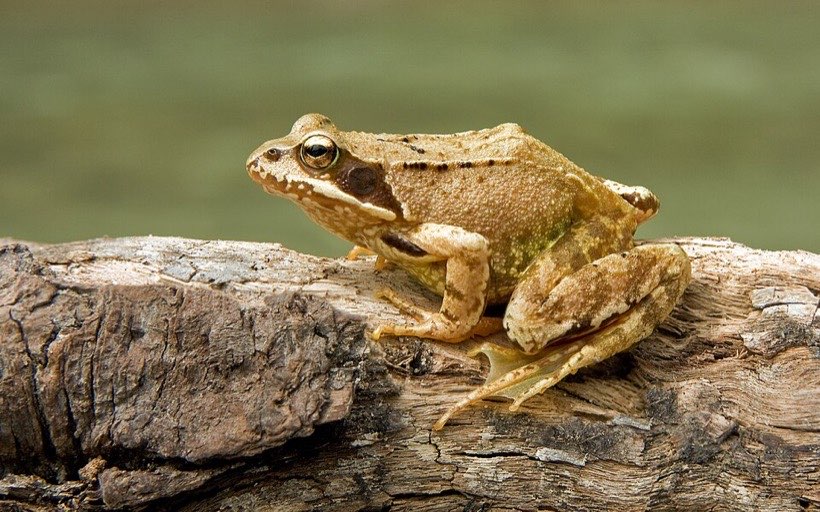
A frog leaping into a quiet pond – the subject of the most famous haiku.
The haiku form
A haiku has three lines: 5, 7 and 5 syllables. It captures one moment, often in nature, with a season word. The last line often brings a surprise or a feeling.
Haiku follow a strict form.
Compare style and themes
Bashō’s haiku are calm and simple: one small sound breaks the silence. Modern haiku keep the form but choose new subjects. Compare the themes: what is each poem really about?
Significant poets have a recognisable style.
Your turn: Count the syllables: “Monsoon morning rain”.
Key words
- haiku
- A short Japanese poem of three lines, often 5–7–5 syllables, about nature and a single moment.
- form
- The shape and rules of a type of poem.
- theme
- The big idea of a poem.
Meet the writer: Matsuo Bashō
1644–1694 · Iga Province, Japan
Matsuo Bashō is the most famous haiku poet in history. He wrote his famous frog haiku in 1686. He travelled on foot across Japan and wrote travel diaries mixing prose and haiku, like The Narrow Road to the Deep North. He took his name from a banana plant (bashō) that a student planted outside his hut.
Activity: Haiku walk
You need: notebook
- Walk outside silently for five minutes.
- Note three small moments.
- Choose one and write a 5–7–5 haiku.
- Compare it with Bashō’s: what is the same and different?
Think and talk
- Why might such a short poem be so famous?
- Which haiku creates the clearest picture?
- What moment from today could become a haiku?
What I learnt
- I can read poems by a significant poet and compare style, form and themes.
- I can recognise the haiku form.