Grade 4 · Unit 5: Making the news
Read all about it!
Who, what, where, when, why?
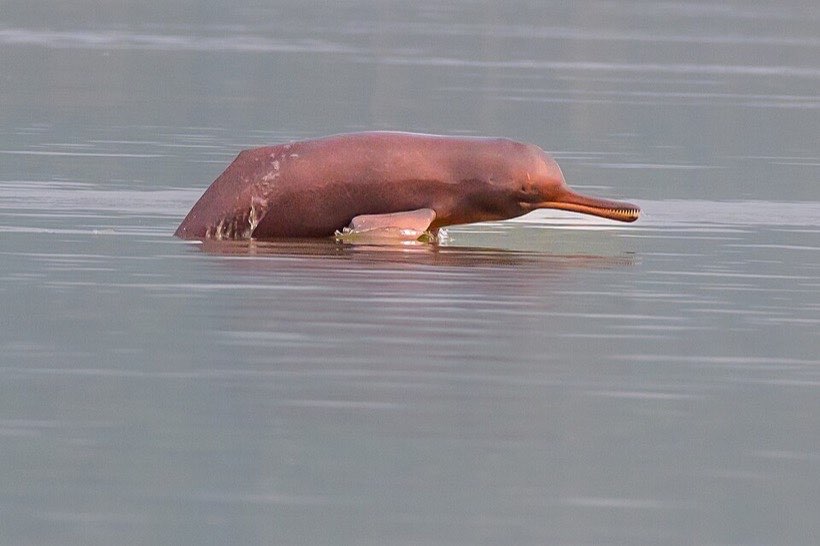
Read the report
Read this newspaper report. How does it grab your attention?
DOLPHIN DELIGHTS DAY-TRIPPERS
by InquiryMind
Visitors to the Sundarbans got a surprise on Saturday when a family of rare river dolphins appeared beside their boat.
The dolphins, a mother and two young, swam alongside the tour boat for almost ten minutes near Mongla.
“They were jumping and playing like children,” said eyewitness Rina Begum, 34, from Khulna. “It was the best moment of my life.”
Experts say river dolphins are endangered. Dr Hasan, a wildlife scientist, explained, “Seeing young dolphins is a very good sign that the river is healthy.”
Boat crews have been asked to slow down in dolphin areas.
Dolphins live in the Bay of Bengal and some rivers.
How reports engage readers
The headline uses alliteration: Dolphin Delights Day-trippers. The first paragraph answers who, what, where and when. Quotes from an eyewitness and an expert make it feel real.
News reports have typical features.
The 5 Ws
Journalists answer the 5 Ws quickly. Reports are mostly in the past tense: appeared, swam. Quotes can be in the present: “It is a very good sign.”
Good reports answer the 5 Ws early.
Your turn: Find the eyewitness’s name.
Key words
- headline
- The title of a news report, in large letters.
- newspaper report
- A text that tells readers about a real recent event.
- eyewitness
- Someone who saw an event happen.
Activity: Headline workshop
You need: local news ideas
- Think of a real school or local event.
- Write three headlines: one with alliteration, one with a pun, one short and punchy.
- Answer the 5 Ws for your event.
- Vote for the most engaging headline.
Think and talk
- What makes you want to read this report?
- Why include an expert’s quote?
- What local news would you report?
What I learnt
- I can explain how newspaper reports engage readers.
- I can identify the features of a news report.