Grade 4 · Unit 4: Unlock your imagination
The dog who read books
What if your dog could read – and had opinions?
Read the story
Read the story. Collect details about Biscuit.
The dog who read books
by InquiryMind
Biscuit was a scruffy brown dog with one ear that stood up and one that flopped down, like a broken umbrella.
Every evening, while the family watched television, Biscuit slipped into the study, nosed open a book and read.
He liked adventure stories best. He did not like books about cats.
One night, Mila caught him. “You can read?” she gasped.
Biscuit sighed. “Of course. And by the way, your homework has three spelling mistakes.”
From then on, Mila and Biscuit had a secret book club – and her spelling improved enormously.
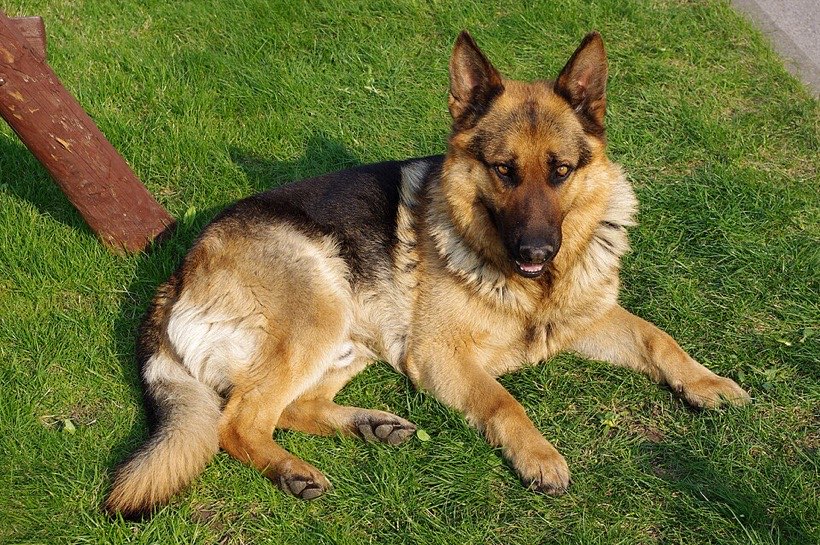
Dogs are loyal and curious companions.
Build a character profile
A character profile collects details: looks, personality, likes and secrets. The best details are surprising: a dog who dislikes books about cats! Show personality through actions and words: “your homework has three spelling mistakes”.
Details capture the reader’s imagination.
Your turn: What does Biscuit’s comment about the homework show about his personality?
Show, don’t tell
Telling says it: Biscuit was clever. Showing lets the reader work it out from actions and speech. Showing is more interesting to read.
Let actions and speech reveal character.
Key words
- character profile
- A description of a character’s looks, personality, likes and history.
- personality
- What someone is like inside – brave, shy, bossy, kind.
Meet the writer: Hugh Lofting
1886–1947 · Maidenhead, England
Hugh Lofting created Doctor Dolittle, a doctor who learns to talk to animals. He first told the stories in illustrated letters he sent to his children while he was a soldier in the First World War. The Story of Doctor Dolittle was published in 1920 and became a famous series. He drew the pictures for his books himself.
Activity: Animal profile
You need: profile template, paper
- Invent an animal character with a secret talent.
- Fill in a profile: looks, personality, likes, dislikes, secret.
- Write a short scene that shows (not tells) their personality.
- Share and let others guess the personality.
Think and talk
- Which detail about Biscuit do you like best?
- Why do you think Biscuit kept his secret?
- Which pet would you give a secret talent?
What I learnt
- I can write a character profile with imaginative detail.
- I can show personality through actions and speech.