How stories are built
Introduction, build-up, problem, resolution, ending.
Read the story outline
Here is “The five-hundred-taka note” told as a story outline, in chapters.
Story stages
by InquiryMind
Chapter 1 – Introduction: Farhan rides the bus home.
Chapter 2 – Build-up: he finds the money and thinks of the boots.
Chapter 3 – Problem: he notices the worried woman searching her bag.
Chapter 4 – Resolution: he gives the money back.
Chapter 5 – Ending: her smile; later, Farhan saves for the boots himself.
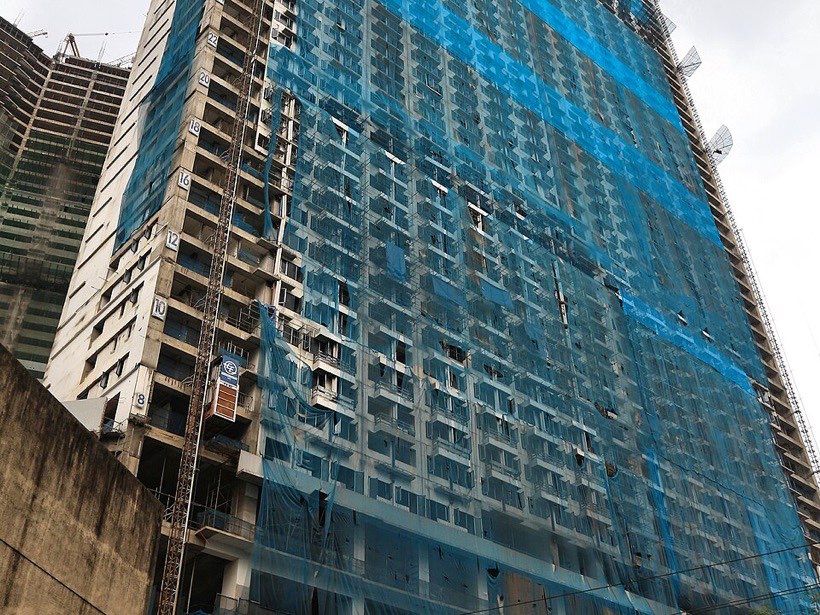
Stories have a structure, like a building.
The main stages
The resolution is where the problem is solved. Writers spend the most words on significant events – like the moment of choice. Small events can be told quickly.
Most stories follow these stages.
Telling events in a different order
Some stories start at the end, then use a flashback. Changing the narrative order can create mystery. Paragraphs and chapters organise ideas so readers can follow.
Writers can change the narrative order.
Your turn: Which chapter shows the most significant event?
Key words
- resolution
- The part of a story where the problem is solved.
- narrative order
- The order in which a story tells events.
- flashback
- A part of a story that goes back to an earlier time.
Activity: Mixed-up chapters
You need: chapter cards from a story
- Put the chapter cards in order.
- Label each with its stage.
- Find the most significant event.
- Try a new order with a flashback and retell it.
Think and talk
- Why do writers spend more words on important moments?
- Would the story work starting at the end?
- How do chapters help a reader?
What I learnt
- I can identify the main stages of a story.
- I can explore narrative order and significant events.
- I can explain how paragraphs and chapters organise ideas.