Grade 3 · Unit 1: Ordinary days
Write a real-life story
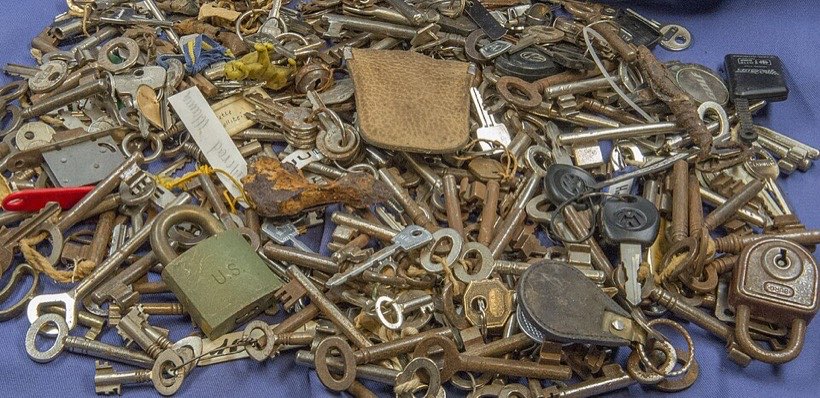
What could happen with that silver key?
Read a model
Here is one ending for Nadia’s story, written in paragraphs.
The silver key (ending)
by InquiryMind
Nadia carried the key all day. She tried it in her desk, her lunch box and even the classroom cupboard. Nothing.
After school, she walked past the blue gate again. An old man was searching the ground with worried eyes. “I have lost the key to my late wife’s music box,” he said.
Nadia held out her hand. The key glittered. The old man’s face lit up like a lamp.
Every Tuesday after that, Nadia stopped at the blue gate to hear the music box play.
A small object can start a big story.
Plan the main points
Plan the main points before you write. Each main point can become one paragraph. Start a new paragraph for a new time, place or speaker.
A story mountain helps you plan.
Check your writing
Read your story aloud. Where you pause, is there a full stop? Underline words you are not sure how to spell. Check them and add them to your spelling log.
Reading aloud helps you hear mistakes.
Your turn: Where should a new paragraph start: when time changes, or in the middle of a sentence?
Key words
- paragraph
- A group of sentences about one idea or one part of a story.
- spelling log
- Your own list of words you are learning to spell.
Activity: My object story
You need: story mountain sheet, paper, a spelling log
- Choose an ordinary object that leads to an adventure.
- Plan 5 main points on a story mountain.
- Write one paragraph for each point.
- Read it aloud, fix punctuation, and log 3 tricky spellings.
Think and talk
- What other endings could the story have?
- How did the story mountain help?
- Which words go in your spelling log?
What I learnt
- I can plan main points for a story.
- I can organise my story in paragraphs.
- I can check my punctuation and keep a spelling log.